The Thirty-First Path: Shin and the Aeon
by Redazione · 9 October 2026 · 5 min read
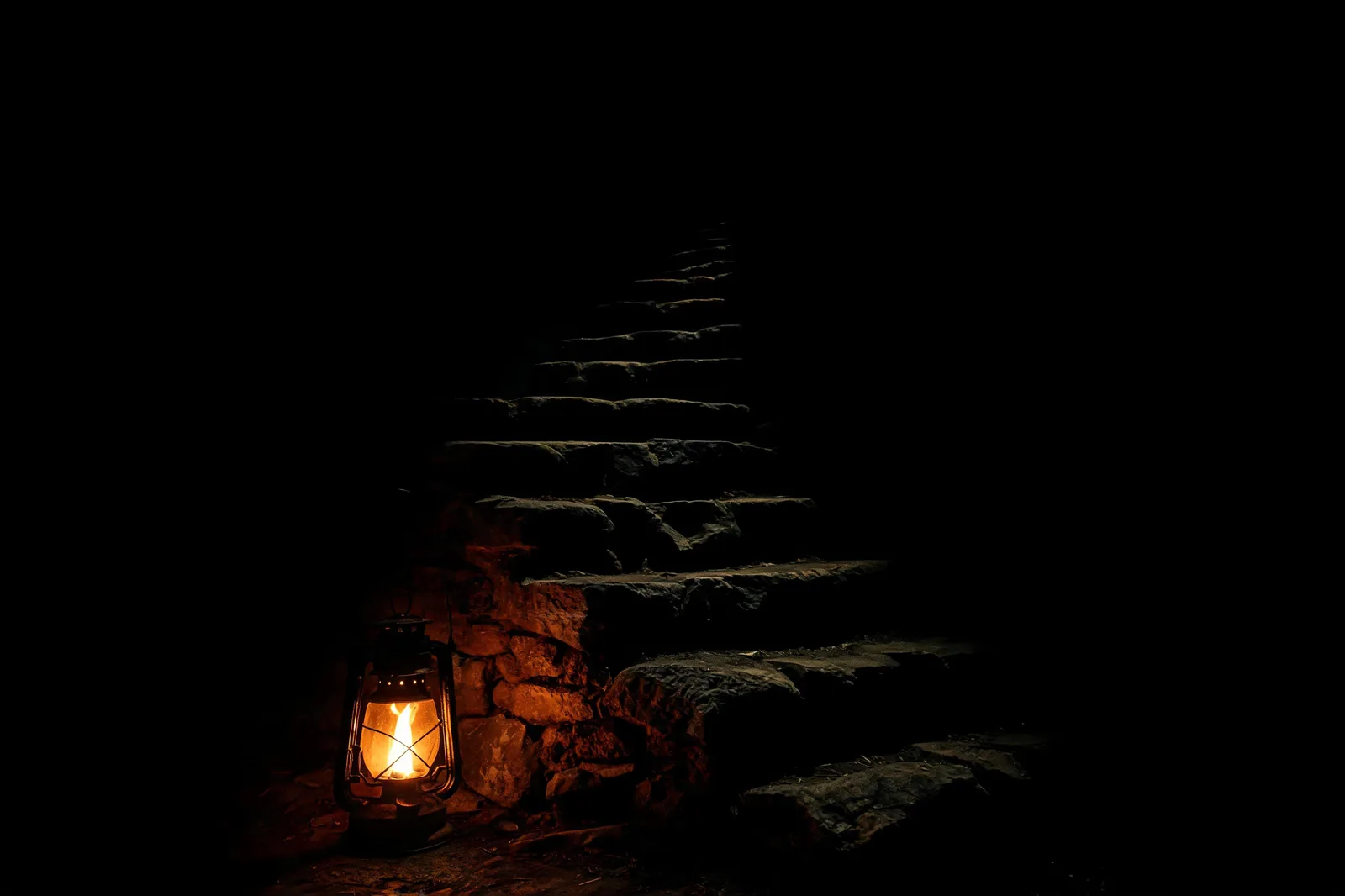
The thirty-first path shin attribution carries fire and spirit across the Tree of Life and anchors The Aeon in the Golden Dawn's path system. Shin means "tooth," and its path connects Hod to Malkuth, the most direct line between intellect and the material world, carrying something closer to a single flame than to a quiet current.
The thirty-first path shin among the Hebrew letters
Shin belongs to the three "mother letters" of the Sefer Yetzirah, alongside Aleph and Mem, each one governing a whole element rather than a single planet or sign. Aleph carries air, Mem carries water, and Shin carries fire, traditionally linked to spirit and the active, transformative principle running through the whole system. That triple structure matters for reading this path correctly. It sits in a different category from the twenty single-letter paths this series has already covered, closer in rank to the two other elemental paths than to the zodiacal and planetary ones around it.
From the Golden Dawn's Hierophant text to Crowley's Aeon
The Golden Dawn originally attributed Shin's trump to Judgement, a card of resurrection and final reckoning in the older tradition Crowley inherited and then deliberately overturned. Crowley renamed the card the Aeon and rebuilt its imagery around Horus, the crowned and conquering child of his own Thelemic cosmology, replacing the older Christian resurrection scene with a figure announcing a new spiritual era. The fire of Shin, in this reading, stops meaning destruction followed by judgment and starts meaning transformation that opens a new cycle, a meaningfully different emphasis built on the same elemental letter.
Why Hod to Malkuth matters here
A path running from Hod, the sefirah of intellect and communication, down to Malkuth, the sefirah of the material and manifest world, describes how an idea becomes an event. Fire is the right element for that transition: a spark that converts potential into visible change. The Universe sits on the neighboring thirty-second path and completes the pattern. Both of the Tree's final two paths run into Malkuth, and both carry mother letters: fire arrives through Shin, earth arrives through Tav, the subject of the next part of this short pairing.
Horus, Aeons and a genuinely contested reading
Crowley's reinterpretation of this card remains one of the more debated moves in his whole system. Thelemic writers treat the Aeon of Horus as a literal historical claim about a new spiritual age beginning in 1904. Historians of religion more often read it as Crowley's own mythic framing of personal and cultural change. This series takes no side beyond noting both readings exist in the literature. What stays constant across both readings is the path's elemental assignment: Shin, fire, Hod to Malkuth, unmoved by which historical claim a reader brings to the card.
Reading the Aeon through its path
A reader who knows Shin's place among the mother letters can describe the Aeon's energy with real precision: not generic "change," but specifically the fire that carries an intellectual or communicative insight (Hod) down into lived, material consequence (Malkuth). That is a sharper, more historically grounded reading than treating the card as an abstract symbol of rebirth detached from its place on the Tree. Readers wanting the primary text behind this reinterpretation can consult Crowley's own published commentary in The Book of Thoth, and general context on his life at Aleister Crowley.
A common misreading of the Aeon's fire
A frequent mistake treats the Aeon's fire as destructive in the same register as The Tower, since both cards carry sudden, forceful energy in casual reading. The thirty-first path shin attribution argues against that equivalence. The Tower sits on a different path entirely, tied to Peh and Mars, describing structural collapse under pressure. Shin's fire, by contrast, is generative: a mother letter governing spirit itself, not a planetary force governing conflict. Crowley's own choice to rename Judgement as the Aeon reinforces this distinction deliberately, replacing a scene of reckoning and ending with one of a new cycle's arrival. A reader who collapses the two cards into one general "fire and upheaval" category loses exactly the distinction the Tree's structure was built to preserve: one path describes what happens when a container fails, the other describes the spirit that moves an insight into the world. Keeping Shin's generative fire separate from the Tower's structural collapse is a small discipline, but it keeps both cards legible on their own terms rather than blurring them into an undifferentiated mood of dramatic change.
One path left to close the Tree
Shin's fire completes twenty-one of the Tree's twenty-two paths covered across this publication's ongoing path series. One path remains, carrying the heaviest, slowest element of the three mothers into the same final sefirah: Tav, earth, and The Universe, the subject this pairing turns to next.
Questions
What does the thirty-first path connect?
It connects Hod and Malkuth, the sefirah of intellect and the sefirah of the material world, and carries the Hebrew letter Shin.
Why is Shin called a mother letter?
The Sefer Yetzirah groups Aleph, Mem and Shin as three 'mother letters', each governing a whole element: air, water and fire respectively.
What card sits on the thirty-first path?
The Aeon in the Thoth deck, renamed and reworked by Crowley from the older Judgement card, built around the figure of Horus.
Is Crowley's Aeon reading historically settled?
No. Thelemic writers read it as a literal claim about a new spiritual age; historians of religion more often read it as Crowley's own mythic framing. Both readings appear in the literature.
This article talks about
You might also like
 Kabbalah
 Kabbalah
 Kabbalah
© 2026 TAROTS chat (tarots.chat). All rights reserved. No part of this article may be reproduced, distributed or adapted without the owner's written permission.
The Journal
 Disks
 Major Arcana
 Thoth Tarot
 Career
 Kabbalah
 Thoth Tarot
 Symbolism
 Symbolism
 Kabbalah