Tarot Video Games: Persona's Arcana System and Beyond
by Redazione · 9 October 2026 · 5 min read
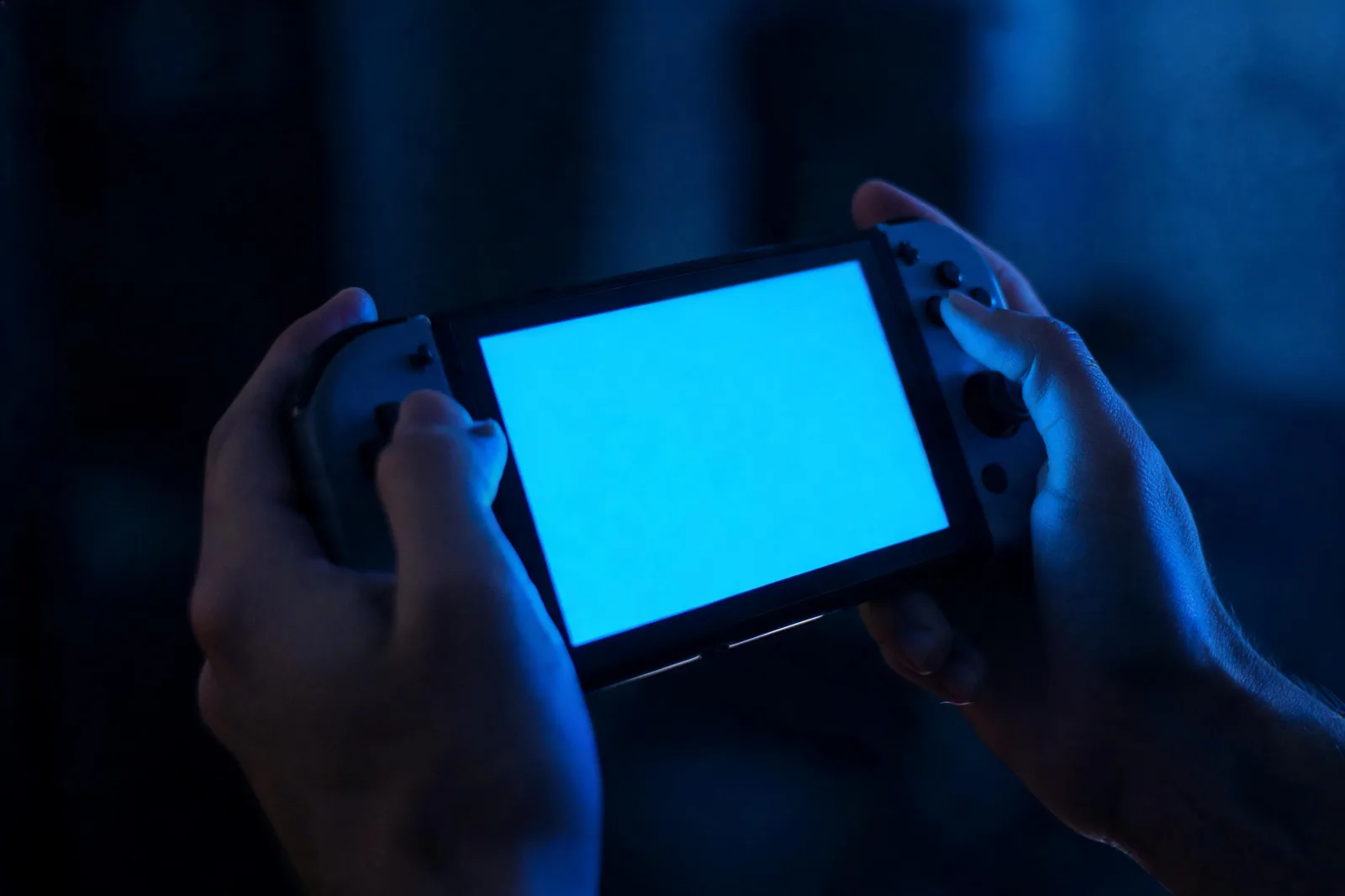
Tarot video games have given the Major Arcana one of its biggest audiences of the digital era, reaching millions of players who may never open a physical deck. Unlike film's quick visual shorthand or a comic's single illustrated page, games can let a player live inside the deck's structure for forty hours or more, assigning each trump a mechanical role rather than just a symbolic one. Two very different projects show how far that idea can stretch: a bestselling Japanese role-playing franchise and a small mobile visual novel built entirely around a cursed set of cards.
Persona: the Arcana as a game system
Atlus's Persona series, especially the widely played Persona 3, 4 and 5, builds its entire character-relationship structure on the Major Arcana. Every supporting character a player befriends belongs to one Arcana, and deepening that friendship, called a Social Link or Confidant, strengthens the corresponding type of Persona the player can summon in battle. The protagonist alone carries the Wild Card, tied to the The Fool and its number zero, granting the ability to hold and switch between Personas of every Arcana rather than being bound to one. The series draws openly on Jungian psychology alongside the tarot, treating each Persona as a mask for an aspect of the self. That gives the Arcana system a double job: organising gameplay mechanics and carrying the story's actual theme about identity and change.
Why the system works as game design, not just theming
Persona's Arcana structure succeeds mechanically because it gives a sprawling cast an organising logic a player can learn quickly. A new character's Arcana signals roughly what kind of ally or demon-fusion material they represent before the story explains anything, the same shorthand a deck gives an experienced reader scanning a spread. Few other long-running game franchises have sustained a symbolic system this consistently across multiple numbered entries, each one reusing and slightly reinterpreting the same twenty-two archetypes for a new cast and city.
The Arcana: a mobile visual novel built on a cursed deck
A smaller, very different project took the premise in a literal direction. The Arcana, a mobile visual novel from Nix Hydra Games released in 2017, casts the player as an apprentice magician who inherits an enchanted tarot deck and must navigate court intrigue, mystery and several romance storylines tied to named characters. Where Persona borrows the deck's structure abstractly, The Arcana puts an actual deck of cards at the centre of its plot, reading as a mechanism driving events rather than as a background metaphor. Its route-based character design, each love interest associated with a specific card, mirrors Persona's one-character-per-Arcana logic on a much smaller, romance-focused scale.
Occult card games indebted to tarot video games' imagery
A looser cluster of recent independent games borrows tarot's visual grammar without naming the deck directly. Several card-crafting and narrative games built around secret societies, rituals and collected "aspects" owe an obvious debt to tarot iconography even where they invent their own named systems rather than using the Major Arcana outright. That pattern echoes how Tarot in Film: From Cléo de 5 à 7 to 2024's Tarot often leans on the cards' recognisable look rather than their full reading tradition, borrowing the atmosphere of fortune-telling without committing to its structure.
What games add that film and comics cannot
A video game can make a player live with an Arcana's meaning across dozens of hours rather than one scene or one page. It repeats its themes often enough that the symbolism settles in gradually instead of landing as a single image. That patience, rare outside an actual extended tarot study practice, may be the medium's most distinctive contribution to how a wider audience has come to understand the deck.
Other franchises have borrowed smaller pieces of the same idea without committing to it as fully. Some strategy and role-playing titles include a single tarot-styled minigame, a card pull that grants a temporary buff named after a Major Arcana card, treating the deck as a one-off flavour mechanic rather than a structural spine. These lighter uses still rely on the same recognition Persona built its whole design around: players already know, in rough outline, what the Tower or the Star is supposed to mean before a single line of dialogue explains it, which is exactly the cultural shorthand this series has traced across film, comics and now games.
More on the Persona franchise's development history is on its Wikipedia page.
FAQ
Which Persona character or ability is tied to the Fool? The protagonist's Wild Card ability is tied to the Fool Arcana, reflecting its number zero and its meaning as a fresh start.
Is The Arcana based on a real historical tarot deck? It uses an invented, story-specific deck within its fantasy setting rather than reproducing a historical pattern like Marseille or Rider-Waite-Smith.
Do all Persona games use the same Arcana-character pairings? Each numbered entry reassigns the Arcana to a new cast, reusing the same twenty-two archetypes rather than repeating identical character roles.
Are occult card-crafting games the same as tarot games? Not usually. Most invent their own card systems inspired by tarot's atmosphere rather than using the Major Arcana directly.
Questions
Which Persona character or ability is tied to the Fool?
The protagonist's Wild Card ability is tied to the Fool Arcana, reflecting its number zero and its meaning as a fresh start.
Is The Arcana based on a real historical tarot deck?
It uses an invented, story-specific deck within its fantasy setting rather than reproducing a historical pattern like Marseille or Rider-Waite-Smith.
Do all Persona games use the same Arcana-character pairings?
Each numbered entry reassigns the Arcana to a new cast, reusing the same twenty-two archetypes rather than repeating identical character roles.
Are occult card-crafting games the same as tarot games?
Not usually. Most invent their own card systems inspired by tarot's atmosphere rather than using the Major Arcana directly.
This article talks about
You might also like
 Symbolism
 Symbolism
 Symbolism
© 2026 TAROTS chat (tarots.chat). All rights reserved. No part of this article may be reproduced, distributed or adapted without the owner's written permission.
The Journal
 Love
 Love
 Kabbalah
 Kabbalah
 Disks
 Kabbalah
 Kabbalah