Tarot in Film: From Cléo de 5 à 7 to 2024's Tarot
by Redazione · 9 October 2026 · 5 min read
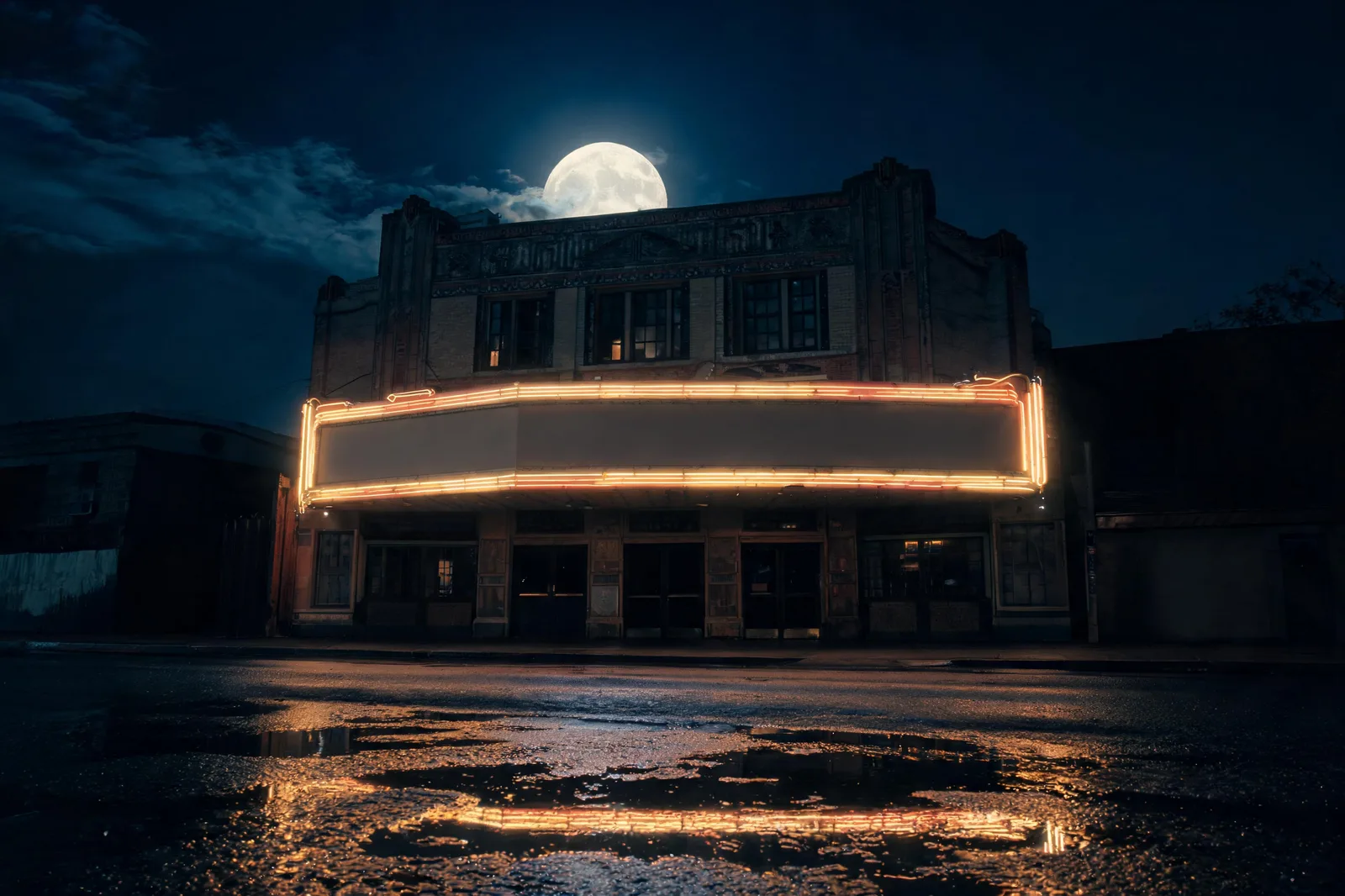
Tarot in film shows up most often as a shorthand for dread, a quick visual cue that a character's fate is already sealed before the plot catches up. This piece traces that device across six decades of cinema, from Agnès Varda's art-house classic to a 2024 studio horror release, deliberately leaving aside the Bond franchise's own tarot commission, covered at length elsewhere in this series, to look at how directors without a licensing budget used the same cards for very different effects.
Cléo de 5 à 7: the reading that opens the film
Agnès Varda's 1962 Cléo de 5 à 7 opens with a tarot reading shot from directly overhead, two pairs of hands and a fortune-teller's table rendered in colour while the rest of the film unfolds in black and white. Cléo, awaiting a possible cancer diagnosis, draws the Death among her cards. The fortune-teller insists the card means transformation, not literal death, but Cléo leaves unconvinced, and the film spends its following ninety real-time minutes watching her read omens into everything around her. Varda used the reading as a structural device as much as a plot point: it hands the audience the same dread Cléo carries, then asks whether reading signs into a life is ever really separable from living it.
Dr. Terror's House of Horrors: the deck as a framing device
Three years later, the British studio Amicus built an entire anthology film around a tarot deck. In Dr. Terror's House of Horrors (1965), Peter Cushing plays a mysterious fortune-teller sharing a train compartment with five other passengers. He reads each man's tarot cards in turn, and each reading becomes one segment of the anthology, from werewolf to vampire to disembodied hand, all converging on the same outcome by the final twist. The deck here is pure narrative scaffolding, a frame story device borrowed from folklore traditions of fate-telling long before the tarot existed, repurposed to stitch together stories that otherwise share no common setting or characters.
A different commission from the same decade
Readers of this series already know how the tarot entered a major franchise through the The Bond Film That Commissioned a Tarot Deck production, which commissioned original artwork rather than borrowing an existing deck. That film belongs to the same stretch of years as Cléo and Dr. Terror's House of Horrors, and together the three show three distinct uses within a decade: arthouse fate, anthology framing, and franchise set dressing, all drawing on the same underlying cultural association between the cards and foreknowledge.
Tarot returns as a horror premise in 2024
The association never really left mainstream film. Tarot, a 2024 supernatural horror release from Screen Gems, follows a group of friends who use a stranger's abandoned deck and wake a curse tied to it, each card's imagery giving a victim a specific, visualised death. The film treats the old folk warning against reading with someone else's deck as its entire premise, turning a piece of genuine tarot etiquette into a slasher mechanic. Critics were divided on the execution. The film's existence still says something durable about the cards' hold on popular imagination. Six decades after Cléo, a tarot reading on screen still reads as an omen first and a character detail second. Streaming and social media clips have only sped up that association, since a single striking card image travels easily online without any of the surrounding plot.
Why tarot in film keeps reaching for the same cards
Across these examples the tarot rarely functions in film the way a reader would actually use it: slowly, with context, open to more than one meaning. Cinema compresses the deck into a single image strong enough to read in a few seconds of screen time, which is why the Death, Tower and Devil cards recur far more often than the Four of Cups or the Nine of Wands. That compression flattens the tradition this series has otherwise tried to treat carefully, but it also explains the cards' persistence on screen: few other symbolic systems hand a director an entire fate in one easily photographed object.
More on Varda's landmark film is on its Wikipedia page.
FAQ
Which film is usually cited as tarot's first major film appearance? Agnès Varda's Cléo de 5 à 7 (1962) is the most frequently cited early example, built around an opening tarot reading.
Does Dr. Terror's House of Horrors use real tarot meanings? The film borrows the idea of card-based fortune-telling loosely as a framing device rather than following any specific tradition's card meanings closely.
Is the 2024 film Tarot connected to any real tarot tradition? It uses tarot imagery and the folk warning against using another person's deck as a horror premise, without claiming a specific historical deck as its source.
Why does Death appear so often in tarot film scenes? Its name reads instantly on screen as an omen, even though in most reading traditions it signals transformation rather than literal death.
Questions
Which film is usually cited as tarot's first major film appearance?
Agnès Varda's Cléo de 5 à 7 (1962) is the most frequently cited early example, built around an opening tarot reading.
Does Dr. Terror's House of Horrors use real tarot meanings?
The film borrows the idea of card-based fortune-telling loosely as a framing device rather than following any specific tradition's card meanings closely.
Is the 2024 film Tarot connected to any real tarot tradition?
It uses tarot imagery and the folk warning against using another person's deck as a horror premise, without claiming a specific historical deck as its source.
Why does Death appear so often in tarot film scenes?
Its name reads instantly on screen as an omen, even though in most reading traditions it signals transformation rather than literal death.
This article talks about
You might also like
 Symbolism
 Symbolism
 Symbolism
© 2026 TAROTS chat (tarots.chat). All rights reserved. No part of this article may be reproduced, distributed or adapted without the owner's written permission.
The Journal
 Tarot Journal
 Love
 Kabbalah
 Disks
 Symbolism
 Relationships
 Kabbalah