Tarot Comics: From Promethea's Tree of Life to Genre Fiction
by Redazione · 9 October 2026 · 5 min read
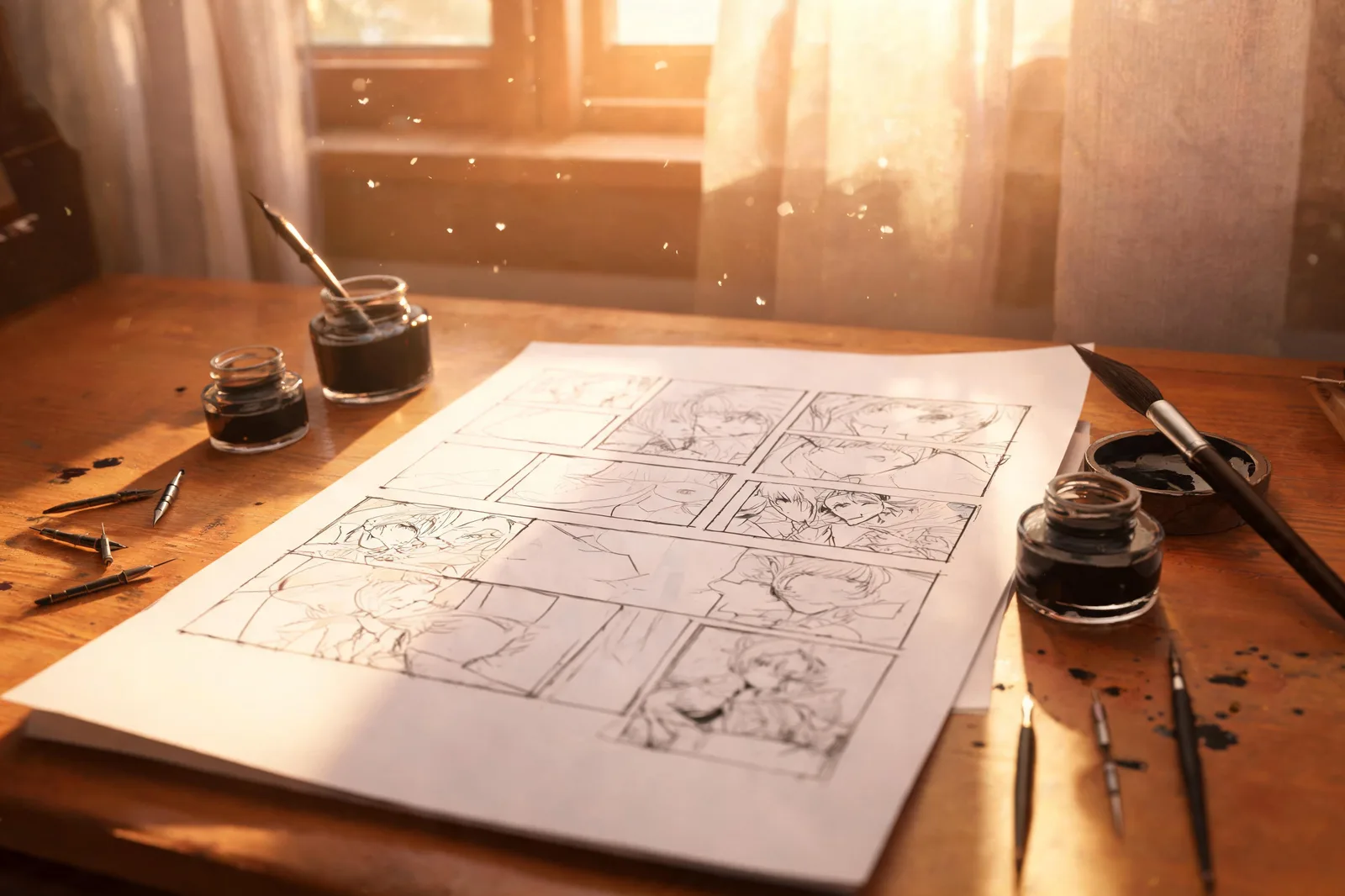
Tarot comics give the Major Arcana something film rarely allows: room to sit still and be explained panel by panel, rather than flashing past in a few seconds of screen time. Across more than two decades of American and European comics, writers have used the cards as structural frameworks, character identities and, occasionally, as the entire reason a series exists. The range runs from the most intellectually ambitious use of tarot in any medium to straightforward genre fiction wearing the cards as a costume.
Promethea: the Tree of Life drawn issue by issue
Alan Moore's Promethea, drawn by J. H. Williams III and published between 1999 and 2005, is the clearest example of a comic using tarot as actual architecture rather than decoration. Moore devoted an extended stretch of the series to the kabbalistic Tree of Life, giving each sephirah its own issue and treating it as a real place the characters visit, each one correlated explicitly with a card of the Major Arcana. The 22 trumps map onto the 22 paths between the spheres. Moore uses that structure to walk readers through an entire occult cosmology using the comics page itself, gutters, panel shape and colour, as part of the teaching rather than just illustration around it. No other mainstream comic has attempted anything as systematic with the deck.
Tarot: Witch of the Black Rose: a character, not a curriculum
A very different kind of comic has run in parallel since 1999. Tarot: Witch of the Black Rose, written and drawn by Jim Balent through his own company, BroadSword Comics, follows a warrior-witch character named Tarot through more than a hundred issues of fantasy action. The deck's imagery supplies a name and a visual motif rather than Moore's structural ambition. Each issue pairs its story with interviews and material aimed at real Wiccan and witchcraft practitioners, closer in spirit to a genre magazine with a long-running narrative spine than to an esoteric teaching text. Its longevity shows how durable a tarot-branded character can be in a market segment Promethea never tried to reach.
Bande dessinée and the esoteric current
European comics took a related but distinct path. Alejandro Jodorowsky, already covered in this series for his Jodorowsky's Tarot: Restoring the Marseille Deck with Camoin restoration of the Marseille deck, also wrote graphic novels steeped in Kabbalah and esoteric symbolism, most famously The Incal with artist Jean Giraud. These books rarely illustrate specific trumps the way Promethea does, but they carry the same conviction that drove his restoration project: that symbolic systems built over centuries still have narrative force when handled seriously rather than decoratively.
Variant covers and the deck as marketing
Tarot imagery has also found a smaller, more commercial niche: publishers occasionally issue limited variant covers styled after Major Arcana cards for anniversary issues or major storylines, reframing a cover artist's work explicitly as a trump card for that character or event. These are closer to the The Aquarian Tarot: David Palladini's Art Nouveau Deck's commercial accessibility than to Promethea's teaching ambitions, aimed at collectors rather than at readers studying a symbolic system, but they confirm how recognisable the deck's visual grammar remains even stripped of any reading context.
What tarot comics add that other media cannot
Comics let the tarot breathe in a way film rarely can. A reader controls the pace, can return to a page, and can study a card's composition as long as they like, closer to how an actual reading session works than to a director's single edited shot. That is likely why Promethea remains the medium's most ambitious tarot project two decades on: nothing about a comics page forces the Major Arcana into a quick visual shorthand the way a film reel does.
Smaller independent publishers have kept exploring that advantage since. Zine-scale comics and webcomics built around one card per issue, or one creator's personal deck redrawn as sequential art, circulate at conventions and online without ever reaching a mainstream publisher's catalogue. These projects rarely get the attention Promethea received, but they extend the same idea: a comics page can hold a card's full symbolic weight far longer than a single frame of film ever could, letting a reader linger exactly as long as the material deserves.
More on Alan Moore's wider body of work is on his Wikipedia page.
FAQ
Is Promethea the most tarot-focused mainstream comic? It is widely regarded as the most structurally ambitious, mapping the Major Arcana directly onto the kabbalistic Tree of Life across multiple issues.
What is Tarot: Witch of the Black Rose about? It follows a warrior-witch character named Tarot in a long-running fantasy action series, now past a hundred issues.
Did Jodorowsky write comics as well as restore a tarot deck? Yes. He wrote esoteric, Kabbalah-influenced graphic novels, most notably The Incal with artist Jean Giraud.
Are tarot-styled comic covers connected to real tarot meanings? Usually only loosely. They borrow the deck's visual format for a collectible cover rather than following a specific reading tradition.
Questions
Is Promethea the most tarot-focused mainstream comic?
It is widely regarded as the most structurally ambitious, mapping the Major Arcana directly onto the kabbalistic Tree of Life across multiple issues.
What is Tarot: Witch of the Black Rose about?
It follows a warrior-witch character named Tarot in a long-running fantasy action series, now past a hundred issues.
Did Jodorowsky write comics as well as restore a tarot deck?
Yes. He wrote esoteric, Kabbalah-influenced graphic novels, most notably The Incal with artist Jean Giraud.
Are tarot-styled comic covers connected to real tarot meanings?
Usually only loosely. They borrow the deck's visual format for a collectible cover rather than following a specific reading tradition.
You might also like
 Symbolism
 Symbolism
 Symbolism
© 2026 TAROTS chat (tarots.chat). All rights reserved. No part of this article may be reproduced, distributed or adapted without the owner's written permission.
The Journal
 Disks
 Tarot Journal
 Symbolism
 Tarot Journal
 Symbolism
 Kabbalah
 Kabbalah