The Zohar and the Imagery of the Major Arcana
by Redazione · 9 October 2026 · 4 min read
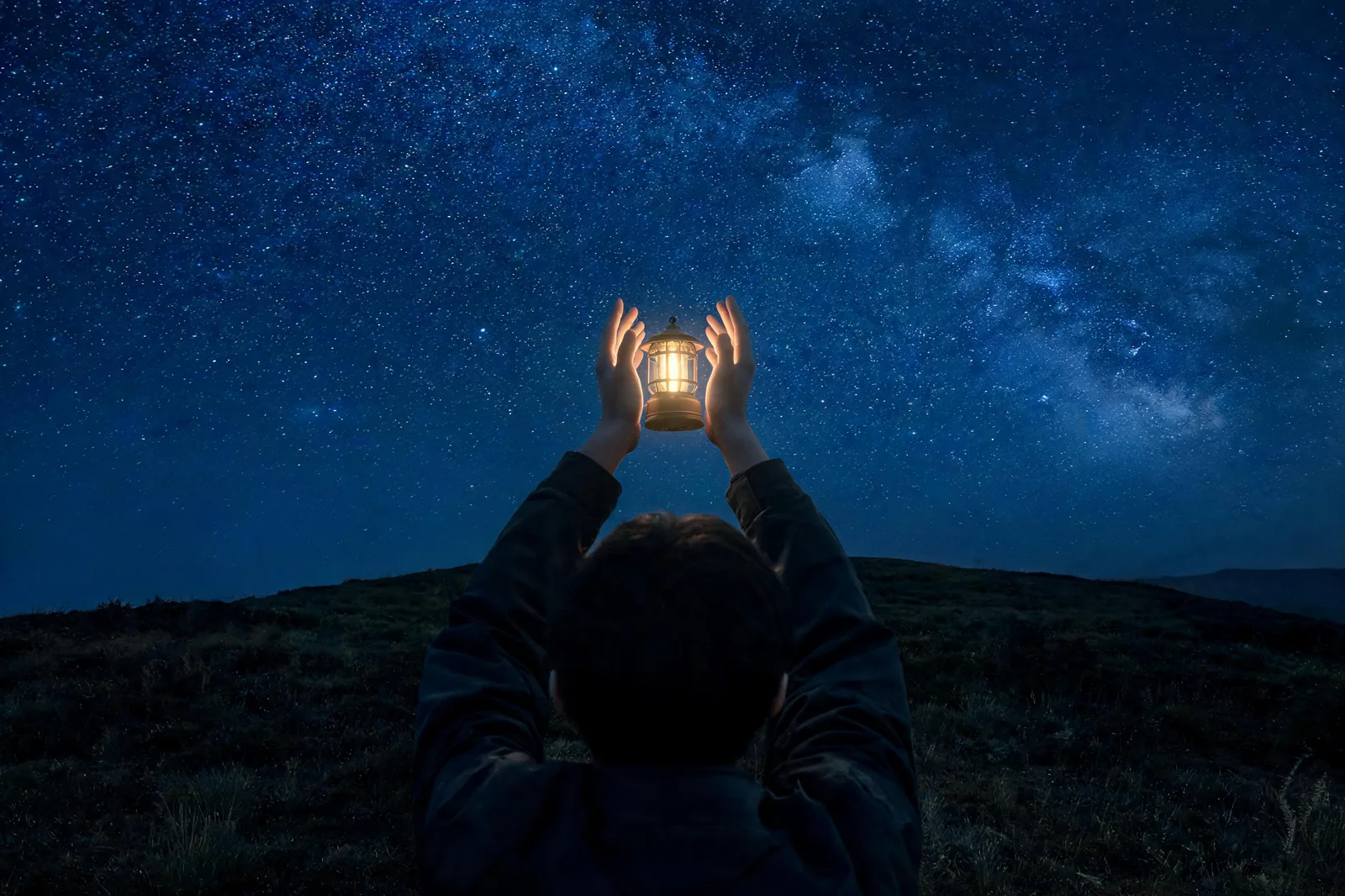
Zohar tarot connections come less from doctrine than from texture: the Zohar is written in dense, visionary narrative, thick with lamps, faces, light and darkness, rather than in the dry propositional style of a philosophical treatise. That visionary texture shares something real with the Major Arcana's own method, which teaches through pictures rather than arguments. This piece looks at how the Zohar's imagery resonates with specific trumps, continuing from Tikkun: Repair and the Last Trump toward a closer look at how a Kabbalistic text actually reads, rather than only what it claims.
What the Zohar is
The Zohar, "Splendour" or "Radiance," is the central work of Kabbalistic literature, written mostly in Aramaic and traditionally attributed to the second-century sage Shimon bar Yochai, though modern scholarship, led by Gershom Scholem, situates its composition largely in thirteenth-century Spain, chiefly through Moses de León. It takes the form of mystical commentary on the Torah, structured as conversations among a circle of sages wandering through the land, their discussions constantly breaking into visionary description. A solid introductory account of the text's history and authorship debate is available in Wikipedia's Zohar entry, a reasonable first stop before tackling the text itself, which is long, allusive and difficult even in translation.
Light and lamps as a working vocabulary
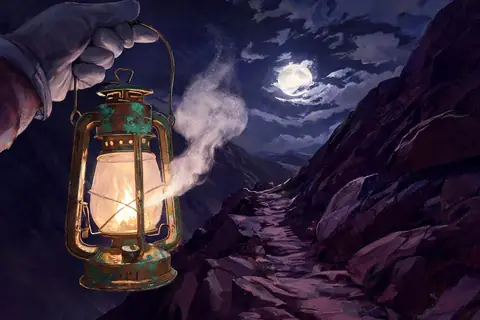
The Zohar returns constantly to light: concealed light, light that flashes and withdraws, lamps lit from other lamps, faces that shine or darken. This vocabulary maps naturally onto The Hermit, whose lantern is the clearest single image of concealed illumination anywhere in the Major Arcana, a small deliberate light carried through darkness rather than a general brightness filling a whole scene. Reading the Hermit alongside Zohar passages on hidden light suggests a reason the card so rarely means simple solitude: the Zohar's concealed light is always moving toward eventual revelation, carried rather than simply withheld.
The Star as scattered radiance
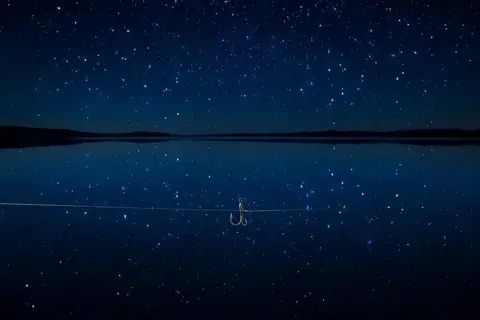
The Star offers a second clear resonance. Its image, a figure pouring water under a sky of multiple stars, matches the Zohar's recurring picture of light scattered widely rather than concentrated in one place, a theme that also connects backward to the breaking of the vessels and the sparks it released, discussed earlier in this series. Where the Hermit carries one deliberate light, the Star shows light already dispersed across a whole sky, inviting a different reading: not a single guided search, but a wide, patient gathering of illumination from many points at once.
Faces, concealment and reading practice
A distinctive Zoharic idea holds that the divine shows different "faces" depending on how it is approached, sometimes stern, sometimes merciful, never contradicting itself but always partial from any single vantage point. This gives a useful caution to tarot practice generally: a single card's meaning is always a partial face of a larger pattern, visible from one angle of a reading and not from every angle at once. A reader who holds this Zoharic caution loosely tends to resist flattening any trump into one fixed, final sentence, treating each appearance of a card as one face shown at that particular moment of a particular spread.
Texture over doctrine
None of this claims the Zohar was a direct source for the Thoth deck's imagery; the historical route ran through Christian Cabala, the Golden Dawn and Crowley's own synthesis, not straight from thirteenth-century Spain to twentieth-century card design. What the comparison offers instead is a shared sensibility: both texts trust image over argument, and both expect a reader to sit with an image rather than resolve it immediately into a single tidy meaning. Tradition holds that this kind of resonance, honestly labelled as resonance rather than lineage, is a fair and useful way to read two different traditions side by side.
FAQ
Who wrote the Zohar? Traditional attribution credits the second-century sage Shimon bar Yochai; modern scholarship, following Gershom Scholem, places most of its composition in thirteenth-century Spain, largely through Moses de León.
Did the Thoth deck draw directly on the Zohar? Not directly. The connection runs through Christian Cabala and the Golden Dawn's own synthesis of Hebrew letters and sephirot onto the trumps, rather than a straight line from the Zohar itself to Crowley's deck.
Why connect the Zohar to the Hermit specifically? Both share a vocabulary of concealed, carried light rather than general brightness, which matches the Hermit's single lantern more closely than it matches other trumps built around open illumination.
Is it accurate to call the Zohar's style "visionary"? Yes, reasonably. Much of the text proceeds through narrative vision and dense symbolic imagery rather than systematic argument, a style scholars of Jewish mysticism regularly note as distinctive.
Questions
Who wrote the Zohar?
Traditional attribution credits the second-century sage Shimon bar Yochai; modern scholarship, following Gershom Scholem, places most of its composition in thirteenth-century Spain, largely through Moses de León.
Did the Thoth deck draw directly on the Zohar?
Not directly. The connection runs through Christian Cabala and the Golden Dawn's own synthesis of Hebrew letters and sephirot onto the trumps, rather than a straight line from the Zohar itself to Crowley's deck.
Why connect the Zohar to the Hermit specifically?
Both share a vocabulary of concealed, carried light rather than general brightness, which matches the Hermit's single lantern more closely than it matches other trumps built around open illumination.
Is it accurate to call the Zohar's style "visionary"?
Yes, reasonably. Much of the text proceeds through narrative vision and dense symbolic imagery rather than systematic argument, a style scholars of Jewish mysticism regularly note as distinctive.
This article talks about
You might also like
 Kabbalah
 Kabbalah
 Kabbalah
© 2026 TAROTS chat (tarots.chat). All rights reserved. No part of this article may be reproduced, distributed or adapted without the owner's written permission.
The Journal
 Kabbalah
 Relationships
 Spirituality
 Love
 Kabbalah
 Love
 Symbolism
 Symbolism
 Kabbalah