Tikkun: Repair and the Last Trump
by Redazione · 9 October 2026 · 4 min read
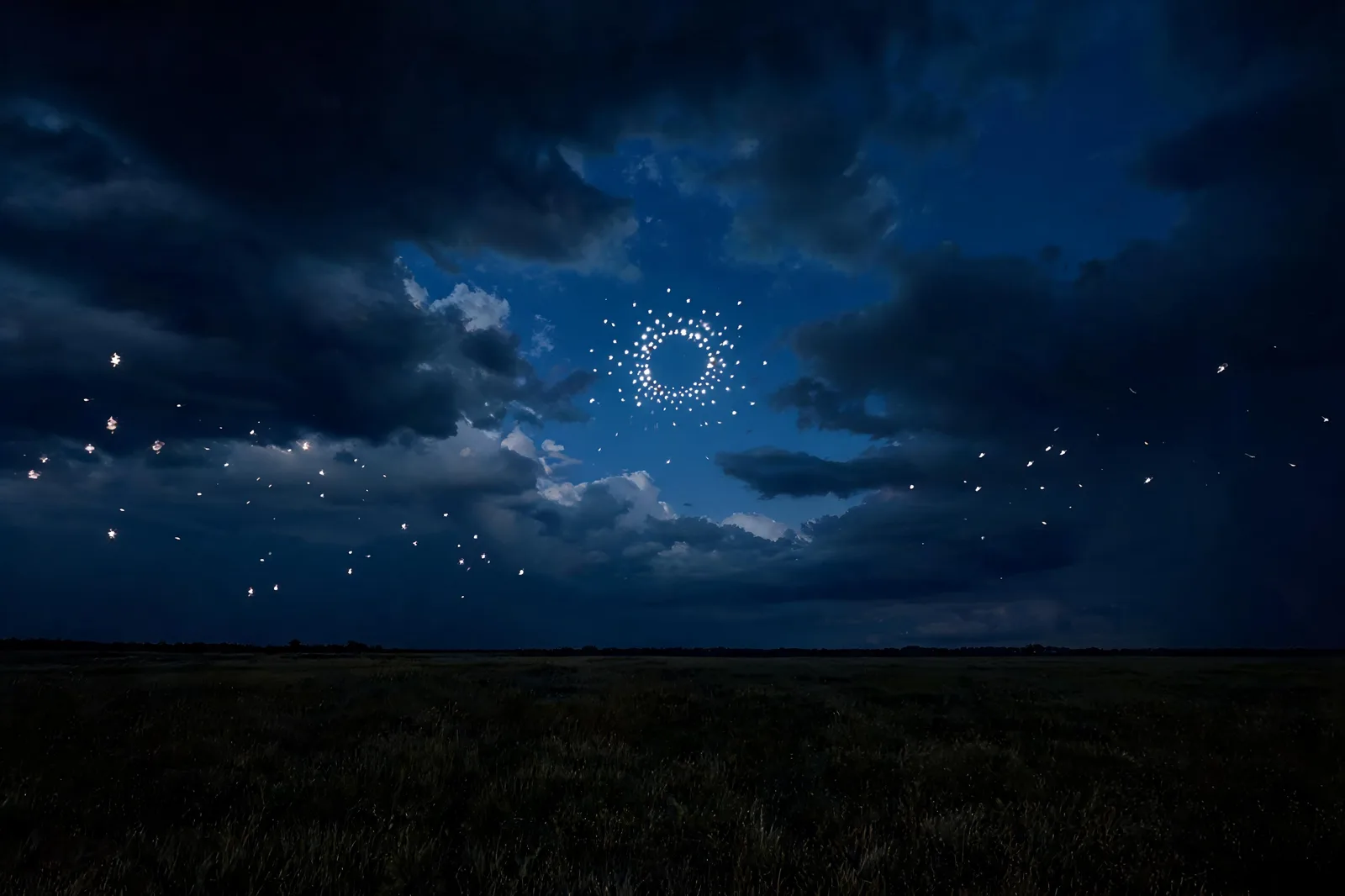
Tikkun olam tarot connections follow naturally from the breaking of the vessels examined in The Breaking of the Vessels and the Tower. If the vessels shattered and scattered sparks of light into ordinary existence, Lurianic Kabbalah gives a name to the work of gathering those sparks back: tikkun, repair. Tikkun olam, repair of the world, describes this labour at its largest scale, and it gives the Thoth deck's closing trump, The Universe, a Kabbalistic reading that reaches well past "completion" as a simple finish line.
Repair as an ongoing task
Lurianic teaching treats tikkun as neither automatic nor finished. Human action, performed with the right intention, is said to raise trapped sparks out of their shells and restore them to their proper place in the structure the breaking disturbed. The phrase has since entered much wider modern Jewish usage, often applied to social justice and ethical action generally; a careful historical account of how the term's meaning shifted across centuries is given in Wikipedia's tikkun olam entry, useful for a reader who wants the term's fuller history rather than its narrowed modern sense alone.
The Universe as a finished repair
The Universe, last of the twenty-two trumps, shows a dancing figure encircled by a wreath, often read as the completed Great Work, the culmination of the whole sequence that began at the Fool. Read through tikkun, this image gains a specific shape: not an ending achieved by standing still, but the visible result of scattered sparks successfully regathered into one coherent form. The figure's dance, rather than a static pose, suits this reading well, since tikkun in Lurianic teaching is itself continuous activity, not a condition reached once and then left alone.
Why the last trump needs an active verb
A reader who treats the Universe as simple closure, the final card in a numbered list, misses what the Kabbalistic background adds: completion here is earned through ongoing work, not granted as a reward for reaching the end of a count. Every card preceding it, on this reading, can be understood as containing scattered material still needing repair, and the Universe names the state in which that repair has, for the moment, succeeded. This matters practically: a Universe card appearing in a spread invites a reader to ask what work produced this completion, not only to announce that completion has arrived.
Tikkun at the level of a single reading
The doctrine scales down comfortably to an individual spread. A client's situation, read through this lens, is less a fixed story waiting to be revealed and more scattered material a reading can help gather into clearer shape. This framing supports a reader's natural instinct to offer a session as something the client participates in actively, since tikkun was never described, even in its original Lurianic context, as a passive event that happens to a person rather than a sustained practice a person takes part in.
A world Kabbalists expected to be unfinished
Tikkun olam only makes sense against the backdrop already laid out by this series: an unlimited source, a withdrawal to make room, a descent through four worlds, and a breaking that scattered the light that descent carried. Given all of that, Lurianic Kabbalists did not expect a tidy, finished world; they expected an unfinished one that repair work could improve, slowly, without claiming to ever fully complete it. Tradition holds the goal as asymptotic rather than achievable in any final sense, which keeps tikkun from collapsing into either despair at the scale of the task or complacency about work already done.
FAQ
Is tikkun olam the same thing as general social justice work? The modern popular usage often applies it that way, but its original Lurianic sense is narrower and more cosmological: the mystical work of gathering scattered divine sparks back into right relation, later broadened by subsequent Jewish thought.
Does the Universe card represent a final, permanent state? Within this reading, no. It represents a completed repair at the scale of the twenty-two trumps, but tikkun itself is described as ongoing, so even the Universe implies continued activity rather than a frozen endpoint.
How does tikkun connect to the breaking of the vessels? Directly: tikkun is the remedy Lurianic Kabbalah proposes for the damage the breaking caused, the gathering of light scattered when the lower vessels shattered.
Can tikkun olam be meaningfully applied to a tarot reading? As a lens, yes: treating a spread as material to be actively gathered into clearer shape, rather than a fixed verdict, mirrors tikkun's own emphasis on ongoing, participatory repair.
Questions
Is tikkun olam the same thing as general social justice work?
The modern popular usage often applies it that way, but its original Lurianic sense is narrower and more cosmological: the mystical work of gathering scattered divine sparks back into right relation, later broadened by subsequent Jewish thought.
Does the Universe card represent a final, permanent state?
Within this reading, no. It represents a completed repair at the scale of the twenty-two trumps, but tikkun itself is described as ongoing, so even the Universe implies continued activity rather than a frozen endpoint.
How does tikkun connect to the breaking of the vessels?
Directly: tikkun is the remedy Lurianic Kabbalah proposes for the damage the breaking caused, the gathering of light scattered when the lower vessels shattered.
Can tikkun olam be meaningfully applied to a tarot reading?
As a lens, yes: treating a spread as material to be actively gathered into clearer shape, rather than a fixed verdict, mirrors tikkun's own emphasis on ongoing, participatory repair.
This article talks about
You might also like
 Kabbalah
 Kabbalah
 Kabbalah
© 2026 TAROTS chat (tarots.chat). All rights reserved. No part of this article may be reproduced, distributed or adapted without the owner's written permission.
The Journal
From the Journal
Chosen for this page
 Spirituality
 Spirituality
Bardon's Tarot: Why Readers Call His First Book the First Card
3 min read
More in Spirituality Kabbalah
 Thoth Tarot
 Kabbalah
 Wands
 Symbolism
 Symbolism
 Kabbalah