The Bond Film That Commissioned a Tarot Deck
by Redazione · 9 October 2026 · 5 min read
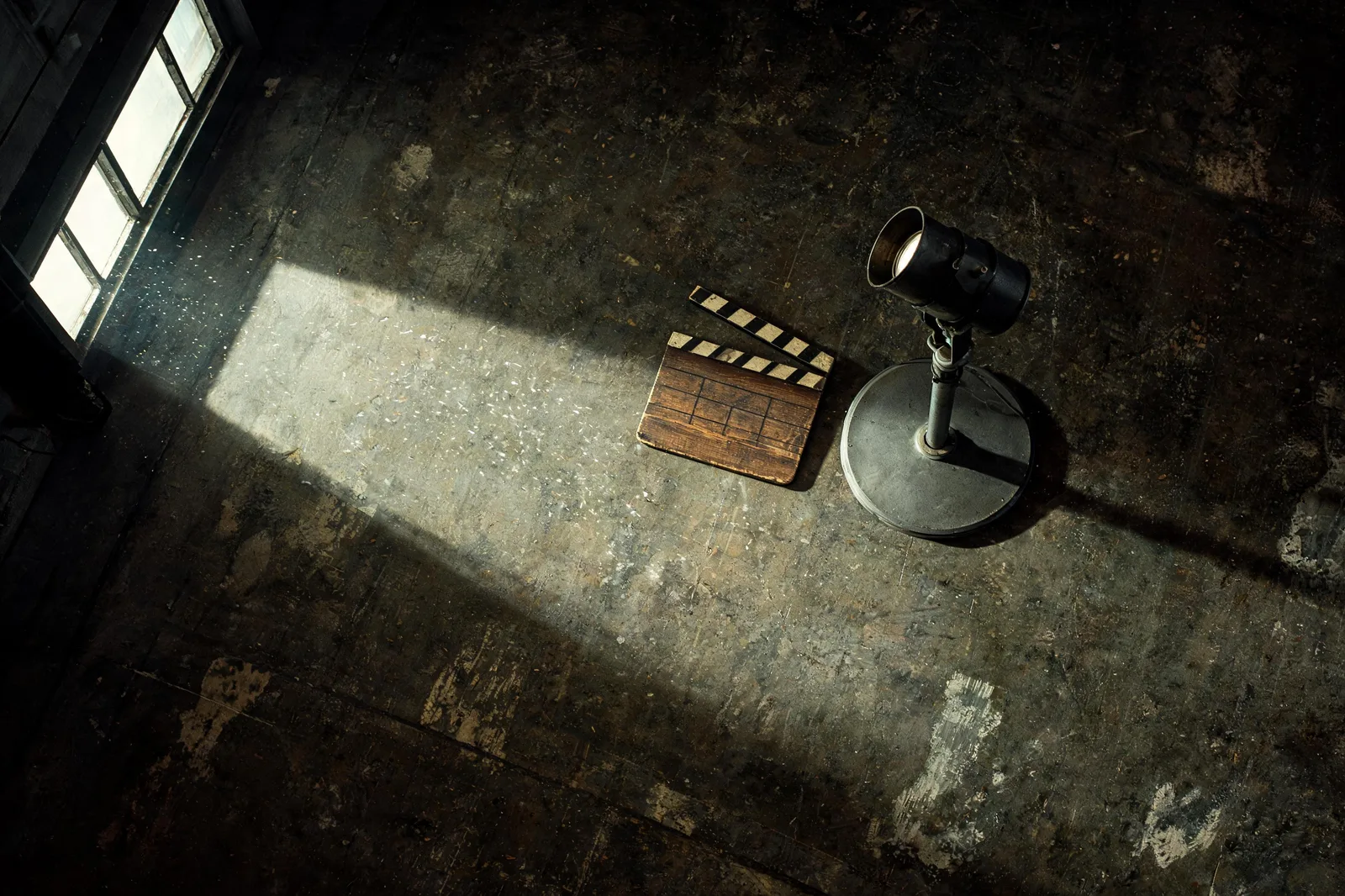
A deck built for the movies, not the other way around
Most tarot decks exist first and get discovered by popular culture later. The live and let die tarot ran the sequence backwards. For the 1973 James Bond film Live and Let Die, the production needed a deck its villain's clairvoyant sidekick, Solitaire, could plausibly read on screen, so artwork was commissioned specifically for the film rather than licensed from an existing publisher. The result reached the public the following year as The Tarot of the Witches, published through U.S. Games Systems, and it remains one of the few tarot decks whose origin story starts with a film contract instead of a printing press.
Fergus Hall and a brief, strange commission
The deck's artwork is credited to the artist Fergus Hall, whose illustrations gave the film's prop cards a distinctive, slightly lurid style suited to a Bond villain's lair rather than a quiet reading room. Exactly how the commission was arranged, and what Hall was paid for it, is not something this piece will invent; what is documented is the sequence of events, art made for a film, then repackaged for retail once the movie's popularity made a commercial release an obvious next step. That order of operations is unusual enough on its own that the deck gets mentioned in film-history asides almost as often as in tarot ones.
Solitaire's cards and the character they served
In the film, Solitaire's readings are staged as genuine clairvoyance rather than a conventional cartomancy session, part of the character's function as a device the plot needed rather than a realistic portrait of a practising reader. The cards had to look striking in close-up shots and support a specific plot mechanic, her visions losing accuracy once she loses her virginity, a detail firmly a product of 1970s screenwriting rather than any actual tarot tradition. None of the deck's imagery or structure should be read as an attempt at faithful esoteric correspondence; it was built to serve a script, and it shows.
From movie prop to collectible deck
What makes the story worth telling is what happened after release. Rather than vanishing as a one-off prop, the artwork found a second life as a published, purchasable deck, and it has stayed in circulation among collectors interested in tarot's odder cultural byways ever since. It sits in a strange adjacent category to more esoterically serious decks tied to figures like From the Golden Dawn to Waite and Crowley: Two Heirs, Two Decks, not because it shares their intellectual ambitions, but because it shows how thoroughly tarot imagery had entered mainstream entertainment by the early 1970s, available to a blockbuster franchise as shorthand for mystery and danger without needing any deeper grounding.
Why a spy film reached for tarot at all
Bond films of the era leaned hard on exoticised mysticism as a storytelling shortcut, and tarot offered an immediately recognisable visual vocabulary for audiences who would never sit through an actual reading. and cards like her fit neatly into that shorthand: a single familiar image standing in for an entire tradition of secret knowledge, deployed for atmosphere rather than accuracy. The film did not need viewers to understand tarot; it needed them to recognise it instantly, and by 1973 the cards were common enough in popular imagination that a glance at a painted card could carry real narrative weight in under two seconds of screen time.
A rare case of a film outranking its own prop
Most movie props stay props, destined for an auction catalogue rather than a second commercial life. The live and let die tarot took the opposite path, becoming a standalone product line that some readers encountered with no idea it had ever appeared on screen at all. That reversal says something about how flexible tarot imagery had already become by the early 1970s: a deck invented purely to dress a scene could be repackaged, marketed and sold as if it carried its own independent tradition, no different in the shop window from decks with genuine decades of lineage behind them. Buyers were not necessarily misled, the connection to the film was part of its appeal, but the episode is a reminder that a deck's commercial success does not require any depth of esoteric pedigree, only a recognisable look and a story worth telling on the box.
A footnote that still gets rediscovered
The live and let die tarot keeps resurfacing in tarot-collecting circles precisely because it is such an odd outlier: a deck born from a film contract, illustrated for drama rather than divination, and sold afterward to a public that had just watched it used as a prop. It is not a deck most readers would choose for serious practice, and it was never meant to be. Its real value is as a small, strange piece of evidence for how far tarot imagery had travelled into mass entertainment by the early 1970s, carried along by a spy franchise that needed a quick visual signal for danger and mystery, and found one in seventy-eight painted cards commissioned for exactly that purpose.
Readers curious about the production history can start with the Live and Let Die Wikipedia entry, which covers the film's background alongside the character of Solitaire.
Questions
What is the live and let die tarot deck called?
The artwork commissioned for the film was later published as The Tarot of the Witches by U.S. Games Systems in 1974.
Who illustrated the Live and Let Die tarot cards?
The artwork is credited to the artist Fergus Hall, commissioned specifically for the film's production.
Is the Tarot of the Witches deck based on traditional esoteric correspondences?
No. It was designed to serve the film's plot and visual style rather than to reflect an established tarot tradition, and most practitioners treat it as a novelty rather than a working deck.
Why did a Bond film use tarot imagery at all?
Tarot offered an instantly recognisable visual shorthand for mystery and danger, letting the film signal the character Solitaire's clairvoyance quickly without explaining an actual reading practice.
You might also like
 Tarot Journal
 Tarot Journal
 Tarot Journal
© 2026 TAROTS chat (tarots.chat). All rights reserved. No part of this article may be reproduced, distributed or adapted without the owner's written permission.
The Journal
 Love
 Swords
 Kabbalah
 Kabbalah
 Thoth Tarot
 Thoth Tarot
 Symbolism
 Symbolism
 Kabbalah