The Ten of Swords, Ruin: Sun in Gemini
by Redazione · 9 October 2026 · 5 min read
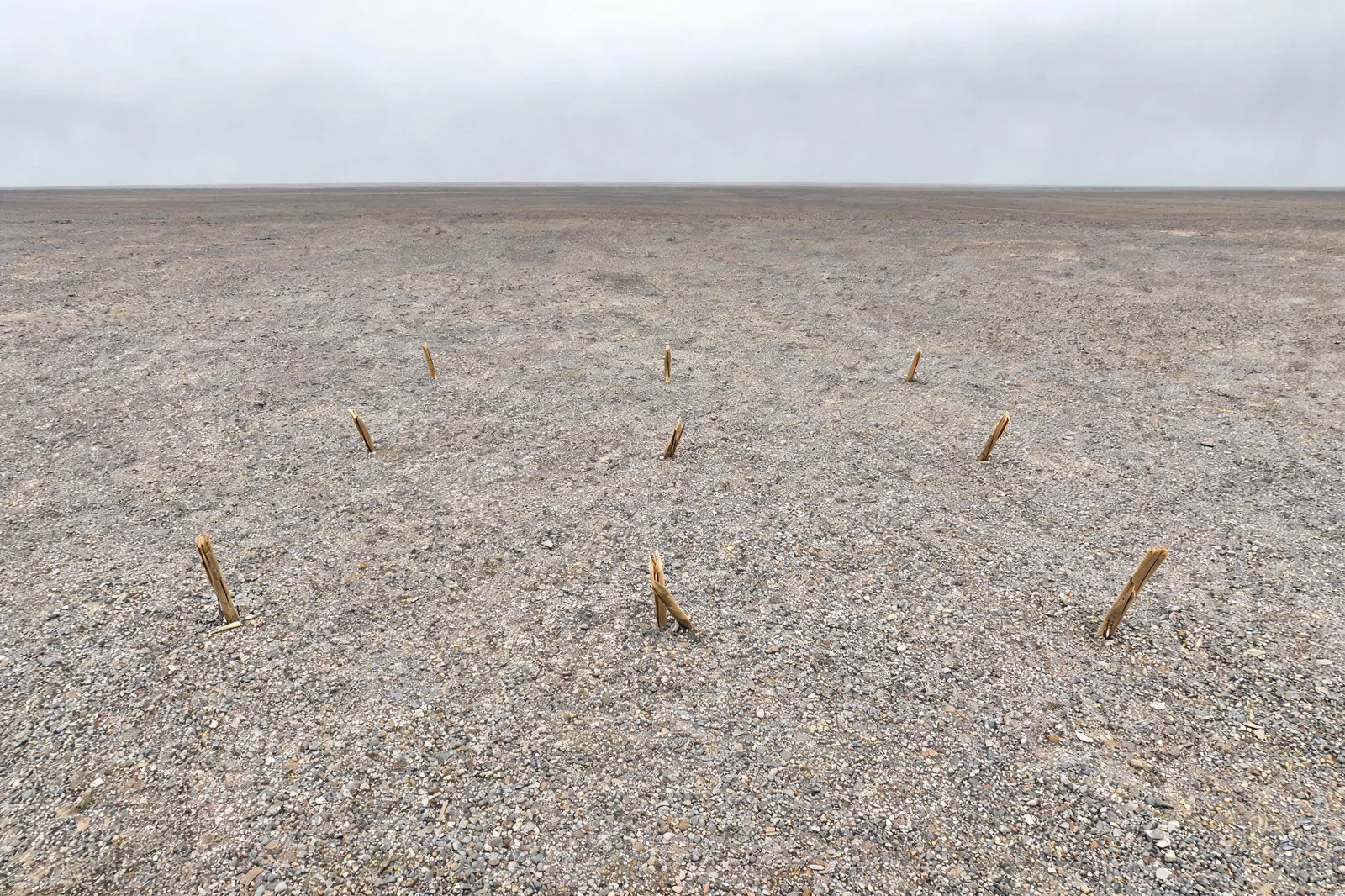
Crowley titled the Ten of Swords Ruin, and the word is final on purpose. After The Nine of Swords, Cruelty: Mars in Gemini turned the suit's cutting edge against a single target, the ten of swords ruin pairing widens that damage into total collapse. This is the suit of Air completed, not by resolution but by exhaustion — every blade spent, nothing left standing that intellect alone can still defend.
The Decan: Sun in Gemini
The Golden Dawn placed the Ten of Swords in the third and final decan of Gemini, roughly 11 to 20 June, ruled by the Sun. The Sun ordinarily signals vitality and plain, undisguised truth; here, at the very end of an air sign built on duality and argument, it brings not triumph but exposure. The Sun illuminates everything equally, leaving nothing half-hidden, and that is precisely the card's function: the full extent of the suit's damage, accumulated across nine cards, is finally shown without any shadow left to soften it. Tradition holds that a solar decan closing out Gemini marks an ending that cannot be argued away, because for once there is no ambiguity left for Gemini's cleverness to work with. Gemini itself sits on the cusp of Cancer here, the last mutable air decan before the year turns toward water signs and feeling; the Sun's harsh clarity is in some sense Air's last word before a very different register takes over.
Malkuth and the Ground Where the Suit Lands
Every ten in the Thoth deck answers to Malkuth, the tenth Sephirah, called the Kingdom — the final sphere, where every force above it becomes plain, physical fact. Malkuth in The Mystical Qabalah: The Kingdom and the Tens describes how each suit's ten manifests its whole arc in concrete, undeniable form. In Swords, Malkuth's gift is brutal honesty: the suit's long sequence of balance, grief, truce, defeat, method, restlessness, overload and calculated harm finally lands somewhere real, with consequences that can be counted rather than merely argued about. The Ten does not introduce new damage. It simply makes visible what the suit had already been accumulating. In that sense it functions less like a blow and more like a final tally, arriving after the fact rather than delivering the fact itself.
Reading the Image: A Collapse With Nothing Hidden
Harris composed the Ten of Swords as a dense, shattered field of blades, their lines broken and overlapping without the earlier cards' varying attempts at order — no diagram, no rehearsed arrangement, just the aftermath laid bare under full light. Crowley's own commentary treats this as the suit's necessary bottom: a point past which Air's divisive logic cannot go any further, because there is nothing left to divide. The design withholds comfort deliberately. Where some older decks soften the equivalent card with a dawn breaking in the background, Thoth keeps the light flat and exposing rather than hopeful, true to the Sun's role here as witness rather than rescuer. Even the broken lines keep a kind of geometry, distantly recalling the Six's precision, as though the suit's old habit of pattern-making survives the collapse even when nothing useful is left to build with it.
Ruin as an Ending, Not a Prophecy
It matters that Ruin sits at the suit's final number rather than partway through it. The Ten of Swords describes a conclusion already reached, not a warning of worse still to come; by the time this card appears, the relevant collapse has typically already happened or is clearly beyond preventing. That reframing changes the question a reader should ask. Rather than searching for a way to stop the damage, the Ten of Swords asks what becomes possible once the suit has nothing left to spend — since Malkuth, for all its finality, is also where the next cycle quietly begins — the Kingdom being, in Kabbalistic terms, both the end of one circuit and the ground every new one has to start from.
Looking back across the whole suit, the Ten closes an arc that began with the Two's uneasy balance and passed through Saturn's grief, Jupiter's rest, Venus's compromise, Mercury's method, the Moon's restlessness, Jupiter's overload and Mars's calculated harm. Nothing in that sequence was wasted, strictly speaking; the Ten simply totals it, the way Malkuth totals every Sephirah above it into one plain fact on the ground.
The Ten of Swords in a Reading
Set beside Swords Suit Symbolism in the Thoth Tarot: Air, Intellect and Conflict, the Ten of Swords closes the suit's long account in full, unsparing light. In Celtic Cross, it often names an ending already settled rather than a danger still avoidable. A TAROTS chat session will treat this card as permission to stop defending a position that has already fallen, since Malkuth's honesty, however stark, is also where any real rebuilding has to start. The series continues with the suit's court, where the Princess of Swords carries this same air into a new season entirely.
Questions
What does the Ten of Swords mean in the Thoth Tarot?
Crowley titled it Ruin: a total collapse that makes visible the full damage the suit of Swords had already been accumulating, exposed without any shadow left to soften it.
Why is the Ten of Swords linked to Sun in Gemini?
The Golden Dawn assigned the third decan of Gemini, roughly 11 to 20 June, to the Sun. The Sun's plain, undisguised light removes the ambiguity Gemini usually thrives on.
What Sephirah governs the Ten of Swords?
Malkuth, the tenth Sephirah, called the Kingdom. It is where every force above becomes concrete fact, and in the suit of Swords that fact is the suit's full, accumulated cost.
Does the Ten of Swords predict worse to come?
No. It typically describes a conclusion already reached rather than a warning, and points toward what becomes possible once nothing more is left to spend.
This article talks about
You might also like
 Swords
 Swords
 Swords
© 2026 TAROTS chat (tarots.chat). All rights reserved. No part of this article may be reproduced, distributed or adapted without the owner's written permission.
The Journal
 Thoth Tarot
 Wands
 Thoth Tarot
 Love
 Learn Tarot
 Relationships
 Symbolism
 Symbolism
 Kabbalah