The Qliphoth in Dion Fortune's Writing
by Redazione · 9 October 2026 · 4 min read
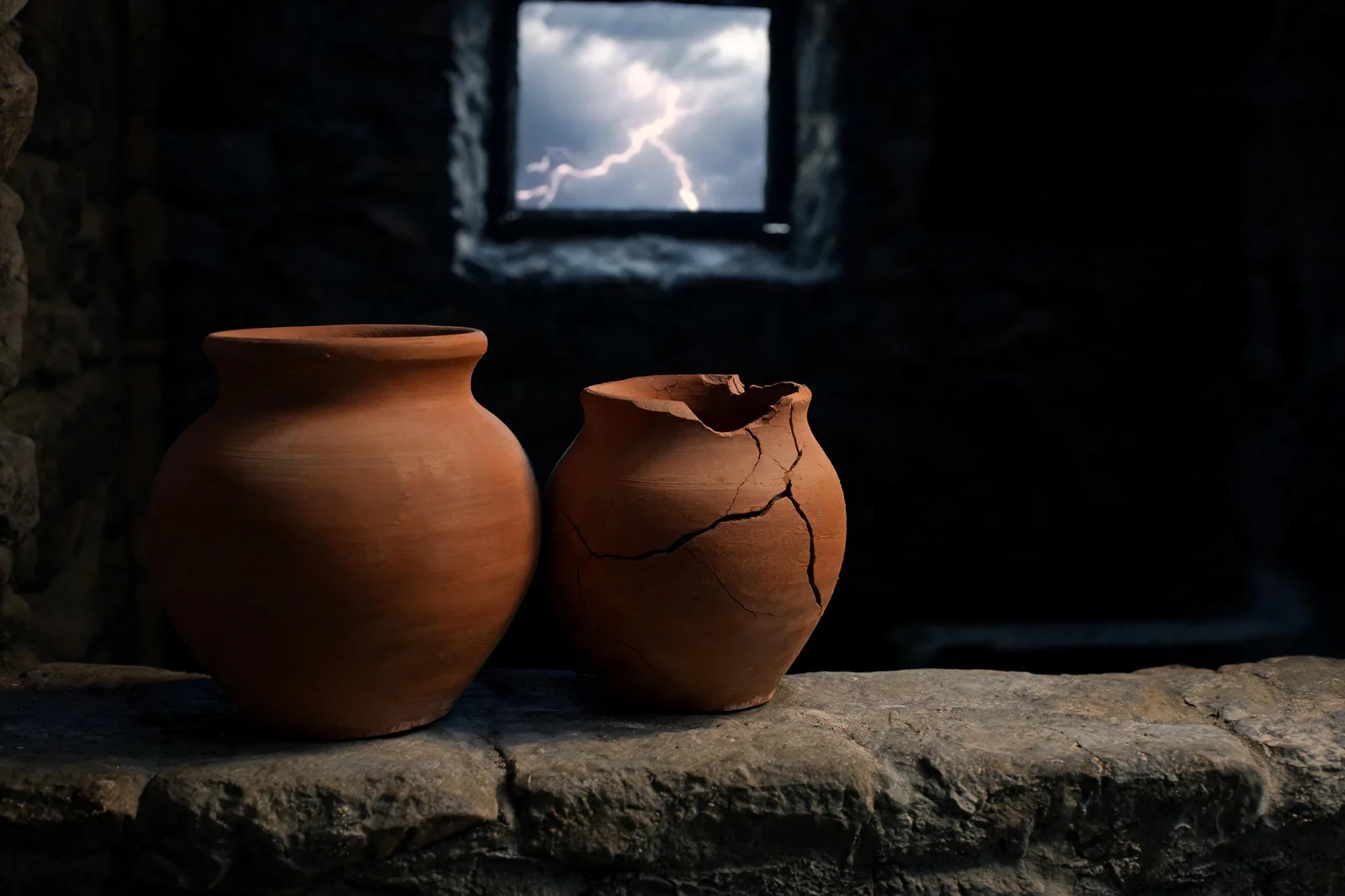
Dion Fortune qliphoth references are sparse but exact, and reading them carefully corrects a lot of popular confusion about the shells of the Qabalistic Tree. Where later writers turned the qliphoth into a lurid, demon-filled underworld, Fortune treated them as a psychological hazard: not evil spirits lurking beneath the Tree but distortions of the sephiroth themselves, a sphere's own quality curdled into excess or decay. Following Malkuth in The Mystical Qabalah: The Kingdom and the Tens, this part of the series turns from the Tree's bright structure to its shadow.
What the Qliphoth Meant to Fortune
Fortune described the qliphoth, literally "shells" or "husks", as the unbalanced residue of each sephirah, not a separate, opposing creation. Where a sephirah represents a sphere of consciousness held in healthy proportion, its qliphothic shadow represents that same quality collapsed into imbalance: Geburah's necessary severity curdling into cruelty, Chesed's generosity curdling into waste and indulgence without discipline.
This framing matters because it keeps the qliphoth tied to ordinary psychology rather than turning them into exotic external threats. A student does not need to summon anything to encounter a qliphothic state; they only need to let a sephirotic quality run unchecked.
A Cautious, Limited Treatment
Fortune wrote about the qliphoth far more cautiously than some of her Golden Dawn contemporaries, and she gave them comparatively little space in The Mystical Qabalah. She treated extended qliphothic work as unnecessary for most students, even risky for the unprepared, since dwelling deliberately on imbalance can reinforce the very distortion a student should be correcting. Her advice leaned toward recognising a qliphothic state quickly and returning to balance, not studying the shells for their own sake.
This caution separates her from later writers like Kenneth Grant, who built an entire practice around the qliphothic tunnels. Fortune's version stays firmly therapeutic: the shells are a diagnosis, a warning sign, not a destination.
The Qliphoth and the Devil Card
Fortune's model gives a useful lens for reading The Devil in a Thoth spread. Rather than treating the card as a literal evil force, her framework suggests reading it as a sephirotic quality gone unchecked: ambition without restraint, pleasure without proportion, discipline curdled into bondage. The card becomes a mirror for exactly the kind of imbalance she described, rather than an omen of outside malice.
This reading keeps the card's weight without turning it into fear-mongering. A querent who draws the Devil is being shown a pattern that has slipped out of balance, something addressed through correction, not an external curse requiring protection.
Correction, Not Combat
Fortune's remedy for a qliphothic imbalance was always to strengthen the sephirah itself, not to fight the shell directly. A student caught in Geburah's shadow, excess cruelty or harshness, worked to restore Geburah's proper, proportionate severity rather than suppressing force altogether. This approach treats imbalance as a correctable drift, something any disciplined student eventually meets and can address through return to the sphere's healthy form.
Her model has aged well partly because it avoids melodrama. Readers researching the subject today, including through academic studies of Lurianic Kabbalah, where the qliphoth originate as cosmic byproducts, will find Fortune's psychological reading a useful, grounded bridge between the old sources and a living tarot practice.
Why This Restraint Still Matters
Modern occultism has, in places, turned the qliphoth into a dramatic subculture of its own, complete with its own pantheon and ritual grammar. Fortune's comparatively brief, careful treatment offers a corrective worth remembering: the shells are a warning about imbalance within familiar territory, not an invitation to a separate, darker system to master. For a tarot student, that is usually the more useful lesson, and the safer one to carry into an actual reading.
Questions
What did Dion Fortune mean by the qliphoth?
She read them as the unbalanced residue of a sephirah, a healthy quality curdled into excess, not a separate realm of demons opposing the Tree.
Did Fortune encourage qliphothic practice?
No. She treated extended work with the shells as unnecessary and risky for most students, favouring a quick return to sephirotic balance instead.
How does this view affect reading the Devil card?
It suggests reading the card as a sephirotic quality gone unchecked, a correctable imbalance rather than an external evil force.
How does Fortune's approach differ from Kenneth Grant's?
Grant built an extensive practice around qliphothic tunnels, while Fortune kept her treatment brief and firmly psychological, a diagnosis rather than a destination.
This article talks about
You might also like
 Kabbalah
 Kabbalah
 Kabbalah
© 2026 TAROTS chat (tarots.chat). All rights reserved. No part of this article may be reproduced, distributed or adapted without the owner's written permission.
The Journal
From the Journal
Chosen for this page
 Symbolism
 Major Arcana
Pentacles Suit Symbolism in the Thoth Tarot: Earth, Material World and Manifestation
2 min read
More in Major Arcana Kabbalah
 Love
 Kabbalah
 Kabbalah
 Symbolism
 Symbolism
 Kabbalah