Geburah, Severity, and the Four Fives
by Redazione · 9 October 2026 · 3 min read
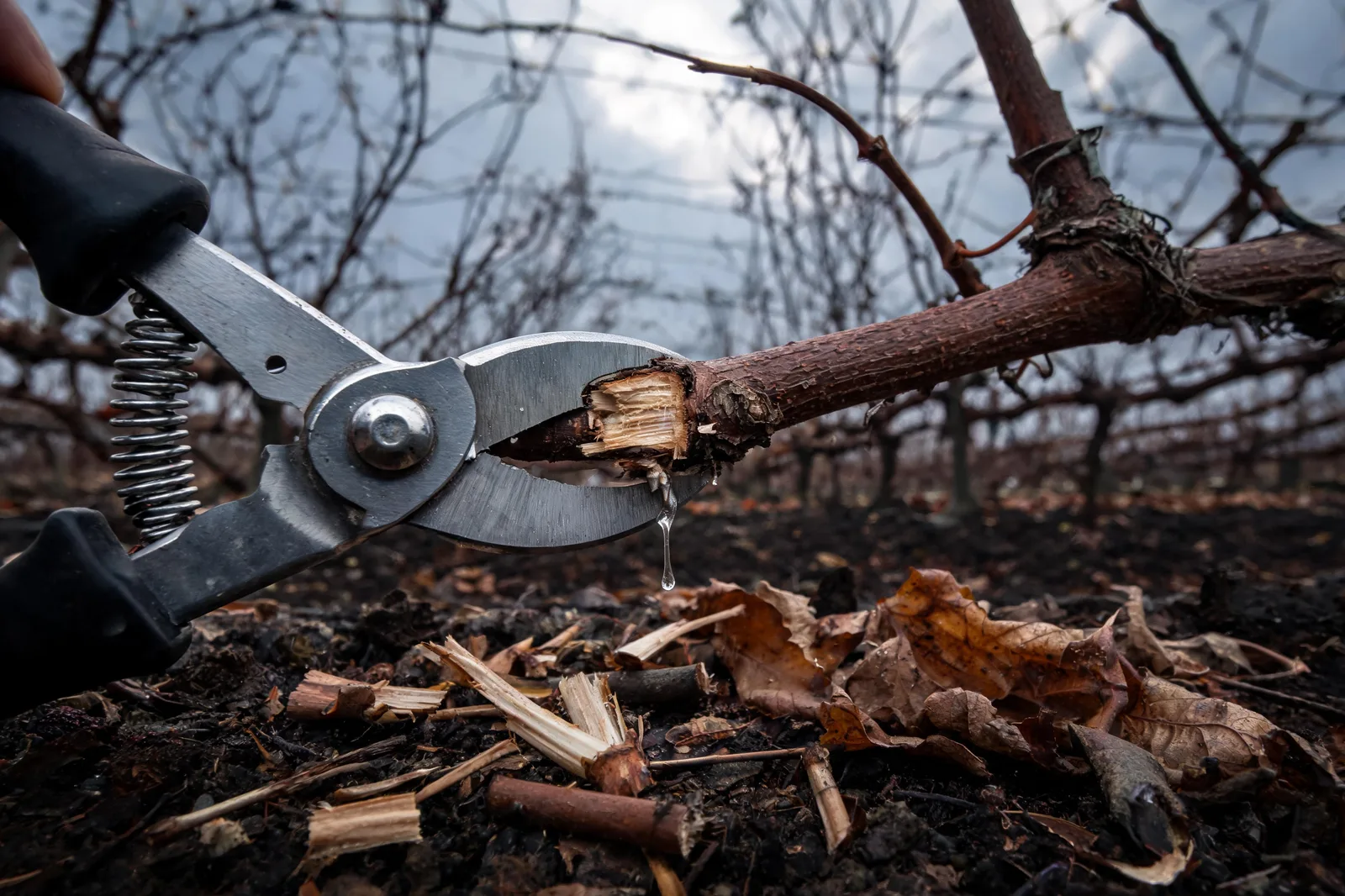
Geburah tarot symbolism is the Tree's corrective, arriving right when Chesed's abundance has gone slack. Geburah, Severity, is the fifth Sephirah, set directly opposite Chesed, Mercy, and the Four Fours on the Tree of Life. Where Chesed gives without limit, Geburah cuts, prunes and tests, because mercy with no boundary eventually stops doing anyone any good. On the Thoth deck, its signature across the suits is the four Fives — Strife, Disappointment, Defeat and Worry — each one showing what happens when comfort finally meets resistance.
Geburah Tarot and the Logic of the Fives
The Golden Dawn attributed Geburah to Mars, the planet of conflict and decisive force, and every Five carries some version of a test the Four before it did not have to face. Five of Wands — Strife, Strife, shows competing energies clashing openly, will meeting will rather than running unopposed. Five of Swords, Defeat, shows a conflict that has already been lost, the sharpest edge of Geburah's correction. Five of Cups, Disappointment, shows love confronting a loss it did not expect. Five of Disks, Worry, shows material security suddenly uncertain. None of the Fours' ease survives a Five untouched; that is precisely Geburah's job on the Tree.
Why Severity Is Not Cruelty
Golden Dawn writers were careful to distinguish Geburah's severity from simple destruction. A blade that never cuts cannot prune a tree, and a tree never pruned eventually chokes itself with its own growth. Mercy and Severity: Reading the Two Pillars in a Spread sets out how Golden Dawn readers held Chesed and Geburah as a working pair rather than rivals: mercy that never meets resistance becomes shapeless indulgence, and severity with no mercy behind it becomes simple cruelty. Geburah's Fives are harsh, but tradition holds that a reader should look for what the test clears away, not only for what it costs.
Mars, Geburah and the Shape of a Test
Mars in Golden Dawn correspondence supplies Geburah's energy: direct, fast, impatient with anything that delays a decision. That urgency shows in how the Fives read in practice — they rarely linger the way a Four does. A Five of Swords resolves a conflict, for better or worse, rather than prolonging it, and a Five of Disks forces a material question that cannot be postponed any longer. Where Chesed's Fours asked whether abundance was still useful, Geburah's Fives ask a sharper question: what, exactly, needs to go.
Reading the Fives Together in a Spread
Multiple Fives in one spread usually mark a season under real pressure, not a single bad day. The pairing with the Fours is the key: a Four followed by a Five often shows comfort meeting a test it was due for, a structure proving whether it can actually hold weight or only looked solid while untested. Tradition holds that a Five rarely predicts a final outcome by itself; it names the stress, and what survives the stress is read from the cards that follow it, not from the Five alone.
What Geburah Asks of a Reader
Geburah asks for honesty about what no longer deserves protection. Its Fives are the hardest cards in this series to sit with, yet Golden Dawn teaching treated Geburah as necessary discipline rather than misfortune for its own sake — the force that keeps Chesed's generosity from becoming waste. TAROTS chat's readings treat a Five as a call to examine a conflict honestly rather than soften it, since the next Sephirah, Tiphareth, only achieves its famous balance once Geburah's test and Chesed's mercy have both been taken seriously.
Questions
Which cards belong to Geburah in the tarot?
The Golden Dawn attributed Geburah to the four Fives, one per suit, since Five marks a test or conflict that interrupts Chesed's untested abundance.
Why is Geburah linked to Mars?
Mars is the planet of conflict and decisive force in Golden Dawn correspondence, matching Geburah's role as the Tree's corrective, pruning severity.
Is Geburah's severity the same as cruelty?
No. Golden Dawn writers treated Geburah as necessary pruning that keeps Chesed's mercy from becoming shapeless excess, paired rather than opposed to kindness.
What does a Five mean in a Thoth tarot reading?
A Five usually names real pressure or a test the previous Four's comfort had not yet faced, resolving the conflict rather than predicting its final outcome.
This article talks about
You might also like
 Kabbalah
 Kabbalah
 Kabbalah
© 2026 TAROTS chat (tarots.chat). All rights reserved. No part of this article may be reproduced, distributed or adapted without the owner's written permission.
The Journal
 Love
 Spirituality
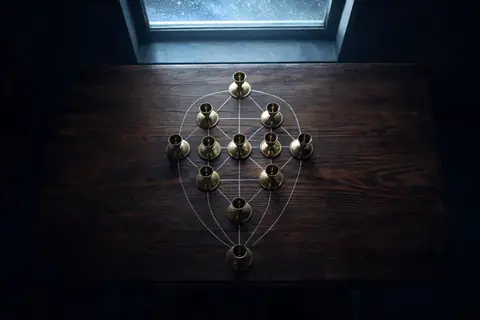 Kabbalah
 Swords
 Kabbalah
 Major Arcana
 Symbolism
 Symbolism