Mathers, Westcott and Woodman: Who Built the Golden Dawn Tarot
by Redazione · 9 October 2026 · 5 min read
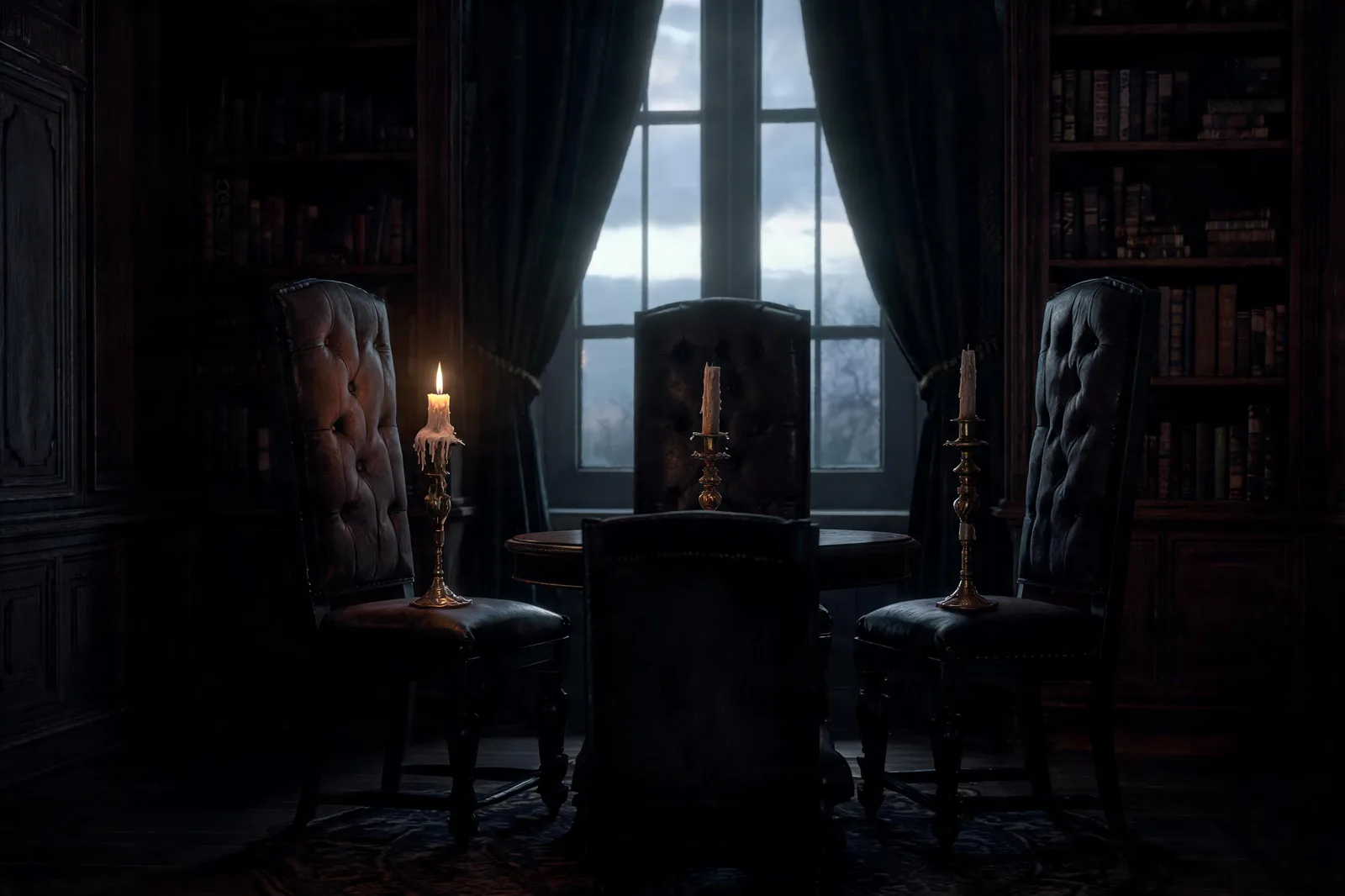
Mathers Westcott Woodman: the three co-founders of the Hermetic Order of the Golden Dawn, each bringing a different strength to a partnership that produced the most influential tarot curriculum in modern occultism. Having examined the court's elemental scheme in Knight, Queen, Prince, Princess: The Golden Dawn's Four Court Ranks, this article turns to the men whose temperaments and conflicts shaped how that scheme, and the whole teaching, came into existence in the first place.
William Wynn Westcott, the Coroner Who Found the Cipher
William Wynn Westcott was a London coroner and a committed Freemason with existing ties to the Societas Rosicruciana in Anglia, a Masonic-adjacent research body. In 1887 he claimed to have come into possession of a manuscript written in a cipher alphabet, containing fragmentary ritual outlines and a reference to a German contact named Anna Sprengel, whom Westcott said granted the Order's charter. Westcott's own account of this discovery, and the real questions historians still raise about it, is set out in detail in The Cipher Manuscripts: What the Golden Dawn's Founding Document Says About the Tarot. Westcott supplied the Order's initial legitimacy and its administrative backbone, serving as its most consistent correspondent and record-keeper in the founding years.
MacGregor Mathers, the Scholar Who Wrote the Rituals
Samuel Liddell MacGregor Mathers took the cipher's bare outlines and expanded them into full working rituals, drawing on his own extensive study of Hebrew, Qabalah and ceremonial magic. It was Mathers, not Westcott, who authored Book T, the internal manuscript setting out the Tarot's correspondences and divinatory meanings that would shape every later Golden Dawn-descended deck. Mathers was formidable and difficult in roughly equal measure. He was brilliant at synthesising disparate esoteric sources into a working system, but increasingly autocratic as the Order grew, which eventually set him at odds with members in London while he directed affairs from Paris.
William Robert Woodman, the Quiet Third Founder
William Robert Woodman is the least documented of the three, a physician and fellow Rosicrucian whose main contribution was his existing seniority within the Societas Rosicruciana, which lent weight to the new Order's claims of lineage. Woodman died in 1891, only three years after the founding, and left little personal writing behind compared to his two co-founders. His quieter role has meant later historians often treat the Order as effectively a two-man project after his death, though all three names appear together on its founding documents and early charters.
Mathers, Westcott and Woodman: A Partnership Built to Fracture
The three founders never shared equal authority in practice. Mathers increasingly treated the Order's inner teachings as his own property. He clashed with Westcott after a scandal, unconnected to the Order itself, forced Westcott's resignation from active leadership in 1897. With Woodman already dead, Mathers held effective sole command of the Order's doctrine for its final years. This concentration of authority set up the disputes, including the 1900 Battle of Blythe Road and member revolts led by figures such as Florence Farr and later W. B. Yeats, that eventually broke the original Order apart into rival successor groups.
Why Their Individual Roles Still Matter to a Reader
Understanding which founder contributed what clarifies a real ambiguity in Golden Dawn history. The Order's legitimacy rested on Westcott's cipher and claimed charter, but its actual tarot content is almost entirely Mathers's synthesis, with Woodman lending institutional weight rather than esoteric authorship. A modern reader of the Thoth deck is, in practical terms, reading a system devised mostly by one exceptionally learned and difficult man, built on a foundation whose documentary origins remain genuinely contested. The Wikipedia entry on Samuel Liddell MacGregor Mathers gives a fuller biographical account of the figure whose scholarship shaped Book T most directly.
A Simple Way to Keep the Three Apart
A useful memory aid separates origin, text and lineage. Westcott is the origin: he produced the cipher manuscript and the claimed charter that gave the Order its founding story. Mathers is the text: he turned those bare fragments into Book T and the Order's working rituals, including the tarot curriculum itself. Woodman is the lineage: his standing in the Societas Rosicruciana lent institutional credibility to two younger colleagues' project. Holding these three functions apart, rather than treating "the founders" as one undifferentiated group, makes the Order's later disputes over authority much easier to follow.
Frequently Asked Questions
Which founder actually wrote the Tarot teachings? Mathers is credited with authoring Book T and expanding the cipher manuscript's outlines into the Order's full tarot curriculum.
Why is Woodman less discussed than the other two founders? He died in 1891, early in the Order's history, and left comparatively little personal writing, so later chroniclers have less material to draw on.
Did the three founders always agree on the Order's direction? No. Tensions between Westcott and Mathers grew through the 1890s, and Woodman's early death left Mathers with increasingly unchecked authority.
Does the disputed origin of the cipher manuscript undermine the Tarot teaching itself? Historians separate the two questions: the claimed charter's authenticity is contested, but the tarot system Mathers built from it is studied on its own merits regardless.
Questions
Which founder actually wrote the Tarot teachings?
Mathers is credited with authoring Book T and expanding the cipher manuscript's outlines into the Order's full tarot curriculum.
Why is Woodman less discussed than the other two founders?
He died in 1891, early in the Order's history, and left comparatively little personal writing, so later chroniclers have less material to draw on.
Did the three founders always agree on the Order's direction?
No. Tensions between Westcott and Mathers grew through the 1890s, and Woodman's early death left Mathers with increasingly unchecked authority.
Does the disputed origin of the cipher manuscript undermine the Tarot teaching itself?
Historians separate the two questions: the claimed charter's authenticity is contested, but the tarot system Mathers built from it is studied on its own merits regardless.
You might also like
 Thoth Tarot
 Thoth Tarot
 Thoth Tarot
© 2026 TAROTS chat (tarots.chat). All rights reserved. No part of this article may be reproduced, distributed or adapted without the owner's written permission.
The Journal
 Kabbalah
 Cups
 Kabbalah
 Symbolism
 Tarot Journal
 Spirituality
 Symbolism
 Symbolism
 Kabbalah