The Fool, the Hanged Man and the Aeon: The Three Mother Letters in the Book of Thoth
by Redazione · 8 October 2026 · 8 min read
The three letters that do not fit
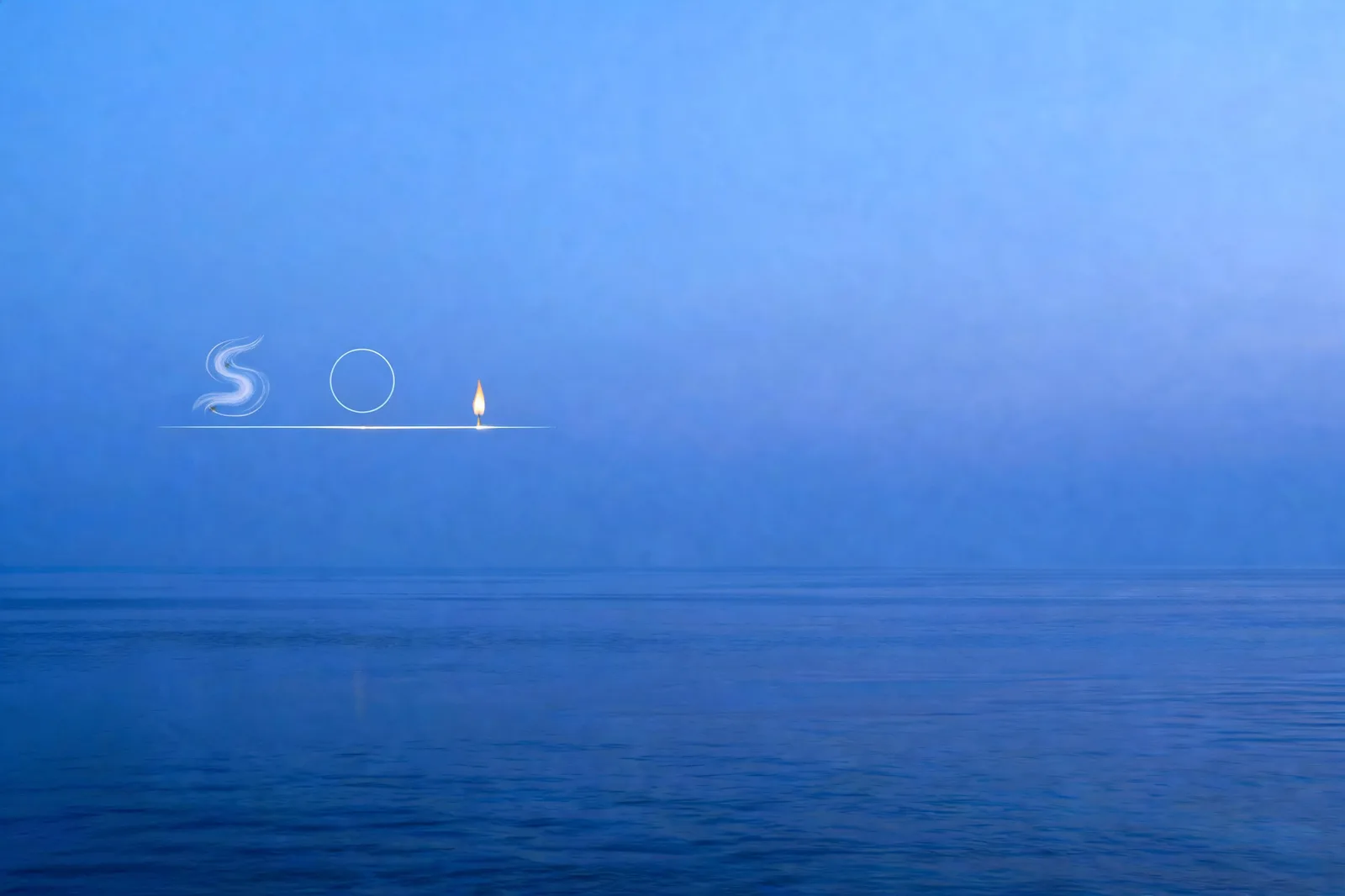
The deck has twenty-two trumps, and twenty-two letters. But three of the letters are different from the rest. The Hebrew alphabet has three mother letters, and they are the three elements. Aleph is the letter of air. Mem is the letter of water. Shin is the letter of fire. The other nineteen letters are the double letters and the simple letters, and they sit on the paths between the spheres. The three mothers are not paths. They are the medium the paths are made of.
In the book of thoth aeon reading, Crowley gives each of the three mothers its own trump. The Fool carries Aleph, the letter of air. The Hanged Man carries Mem, the letter of water. The Aeon carries Shin, the letter of fire. These three cards are not about a story, the way the rest of the deck is. They are about the three elements, and the element is the job the card does.
Aleph, the Fool, and the air before the count
We read the Fool in The Fool and the Aleph: A Close Reading of The Book of Thoth, and the Aeon's predecessor in Art, Alchemy and the Fourteenth Trump. Aleph is the first letter, and it is also the letter that means zero. The Fool has no number in the deck. That is not a mistake. It is the letter of air, the letter that has no shape of its own, and the card that sits before the count begins.
Air is the element that carries the others. It is the medium through which the word is spoken, the breath that moves before the body acts. The Fool is the trump of that element, and his job is not to be a character. It is to be the space in which the rest of the deck can move. That is what a mother letter does. It is not one of the things. It is the thing that lets the other things be.
The Fool is the only card in the deck with no number at all, and that is the clearest sign that he is not a member of the twenty-two. The twenty-two are the letters that sit on the paths. The Fool is the letter that is before the paths, the zero that the count starts from. In the older decks he is a man walking, a character in a story. In this reading he is the air that the story is spoken in, and the difference is the difference between a card that means something and a card that makes the meaning possible.
Mem, the Hanged Man, and the water that dissolves
The Hanged Man is the second mother. His letter is Mem, the letter of water. Crowley opens the chapter with a line that sets the whole card. "Let not the waters whereon thou journeyest wet thee." (Wikipedia, "The Book of Thoth") The card is water, but it is not water that soaks you. It is water that carries you, and the one who is carried does not sink.
The chapter is blunt about what the card is. It "represents the spiritual function of water in the economy of initiation; it is a baptism which is also a death." That is the mother-letter reading in one sentence. Water does not balance. Water dissolves. The Hanged Man is the figure who has agreed to be dissolved, and the dissolution is the card's act.
There is a detail in the chapter that shows how far Crowley has moved from the older reading. He notes that in the Aeon of Isis, the Aeon before the one he is writing in, this card was "The Drowned Man." The same letter, the same element, a different name. The water has not changed. The story the deck tells about it has. That is the Aeon working on a single card, and it is the point the last part of this series is about.
The difference between "Drowned Man" and "Hanged Man" is the difference between a passive end and an active choice. The drowned man is overcome by the water. The hanged man is in the water by his own agreement. Crowley's reading is the second one. The card is not about a man who dies in the water. It is about a man who chooses the water, and the choice is the act. That is the whole of the chapter's difference from a card of misfortune, and it is the difference between an element that happens to you and an element you enter.
Shin, the Aeon, and the fire that decides
The third mother is Shin, the letter of fire, and the trump that carries it is the one most decks call Judgement. In the Thoth deck it is the Aeon. That is not a rename. It is a different job. Where Judgement is a summons, a calling back, a weighing of the past, the Aeon is a step.
The keywords of the Aeon say exactly that. "Final decision concerning the past. New current for the future. Always represents the taking of a definite step." Fire, in the letter, is the element that does not sit still. It consumes and it moves. The Aeon is the trump of that element, and its job is to end the old current and start the new one. That is the Coagula of the whole deck, the moment the operation is decided and the result is set.
The title itself is the move. A card called Judgement carries the weight of a court. A card called the Aeon carries the weight of an age. The word Aeon is a unit of time so large that it swallows the judgement inside it. The past is not weighed and punished. The past is ended, and the future is the thing that the card actually does. That is the difference between a card that looks back and a card that steps forward, and it is the difference the last two parts of this series have been working toward.
Why the book of thoth aeon replaces Judgement
This is the interpretive choice the part is about, and it is the one that matters most in the deck. Crowley does not merely rename the twenty-second trump. He changes what the end of the deck means. In the older reading the deck ends with a judgement, a reckoning, the past weighed and the sinner called to account. In the Thoth reading the deck ends with an aeon, a decision, the past closed and the future opened.
That is the difference between a deck that ends in a verdict and a deck that ends in a step. The mother letters make the difference visible. The Fool is the air that begins. The Hanged Man is the water that dissolves. The Aeon is the fire that decides. Read in that order, the three mothers are not three cards. They are the three states of the operation, the beginning, the dissolution, and the decision. The rest of the deck is the thing that happens in between.
The three mothers as the frame of the deck
Seen together, the three mother trumps are the frame that the other nineteen sit inside. The double letters and the simple letters are the paths, the moves between the spheres. The mothers are not moves. They are the medium, the element, the condition the moves are made in. Air is the space. Water is the dissolution. Fire is the decision.
That is why the three cards read differently from the rest. A card of the double letters is a card about a position, a place on the tree. A card of the mothers is a card about a state, an element, a way of being. The Fool is not a person walking off a cliff. He is the air. The Hanged Man is not a man hanging. He is the water. The Aeon is not a figure sounding a trumpet. It is the fire. That is the reading the rest of the series has been building, and the three mothers are where it lands.
How it departs from the Golden Dawn
The Golden Dawn read the twenty-second trump as Judgement, and they read it as the card it is in every older deck. A summoning, a reckoning, the dead rising at the sound of a trumpet. Crowley keeps the position, but he changes the letter's job. The same element, fire, the same number, twenty-two, but the card is no longer a verdict. It is a step. It is the Aeon.
That is the specific interpretive choice this close reading shows, and it is the one that separates this book from every commentary before it. The deck does not end in a judgement. It ends in a decision. The three mother letters make the difference plain, and the Aeon is where it is plainest. In the Fool the operation begins. In the Hanged Man it is dissolved. In the Aeon it is decided. That is the frame, and that is the reading the whole series has been building.
You might also like
 Thoth Tarot
 Thoth Tarot
 Thoth Tarot
© 2026 TAROTS chat (tarots.chat). All rights reserved. No part of this article may be reproduced, distributed or adapted without the owner's written permission.
The Journal
From the Journal
Chosen for this page
 Major Arcana
 Kabbalah
Tarot and String Theory: Ten Dimensions, Vibration and the Tree of Life
8 min read
More in Kabbalah Kabbalah
Sefer Yetzirah Tarot: Traces of the Trumps in the Book of Formation
7 min read
More in Kabbalah Symbolism
 Symbolism
 Symbolism