The Twelfth Path in Practice: Beth and the Magus
A short working for the path between Kether and Binah, and the discipline of committing to one shape.
by Redazione · 9 October 2026 · 4 min read
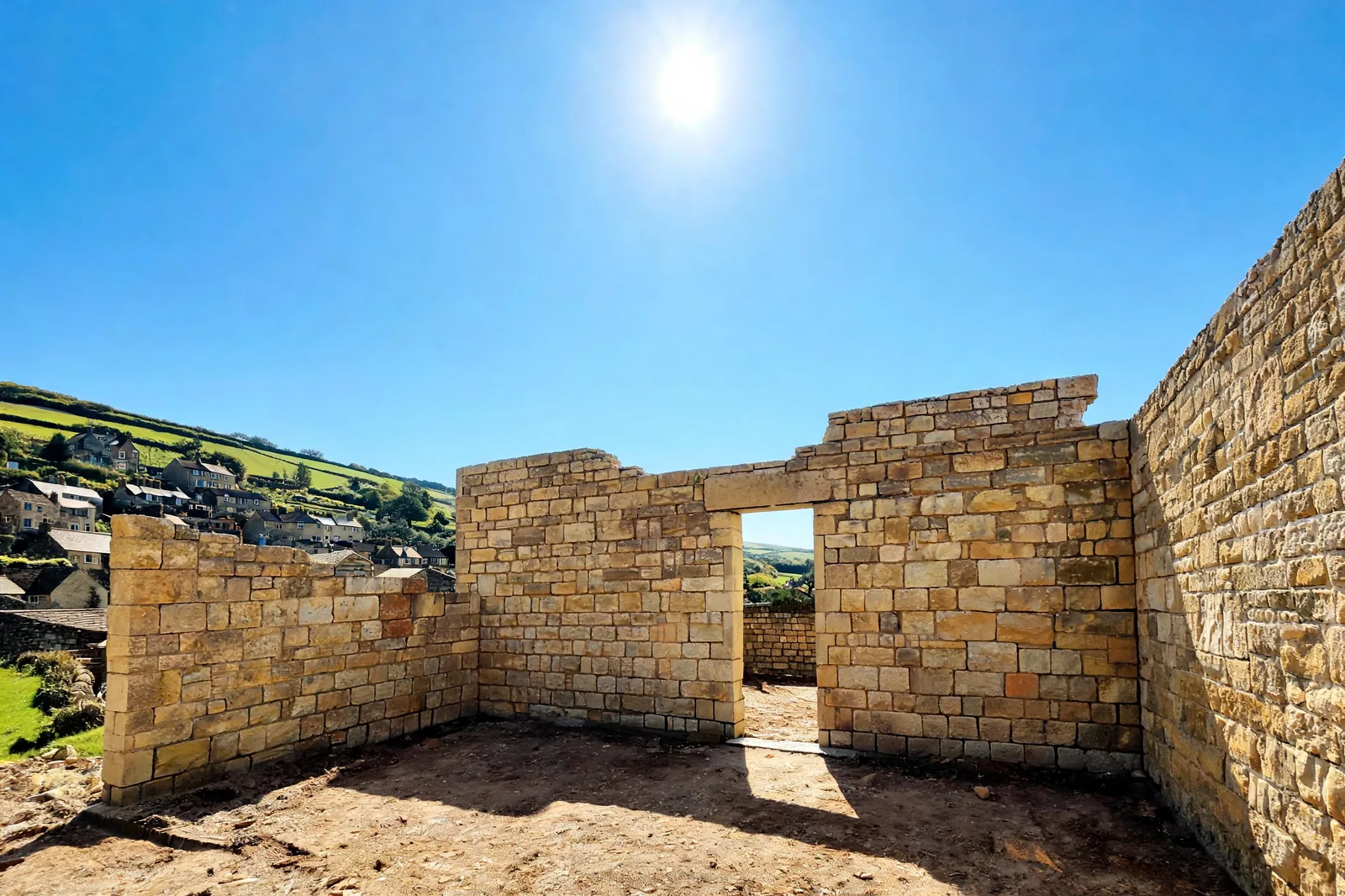
The twelfth path on the Tree of Life runs from Kether to Binah, and the Golden Dawn gave it the Hebrew letter Beth and the card of the magician: The Magus. The twelfth path, Beth, is where bare existence first becomes a house someone can live in — Beth means "house" — and the practice this path asks for is building, not just picturing.
Where the Twelfth Path Sits
Kether is the undivided point; Binah is the first form strong enough to contain anything, the "mother" that gives Kether's light a shape. The twelfth path crosses between them, and Beth is the letter of a dwelling: a container, a boundary that makes "inside" possible for the first time on the Tree. The eleventh path, worked in The Eleventh Path in Practice: Aleph and the Fool, left the Fool at an open threshold with no fixed direction; the twelfth path is the first act that commits to a shape.
The Golden Dawn attributed Mercury to this path, and The Magus holds the four suit-weapons at once: wand, cup, sword, disk. Crowley's Book of Thoth reads the figure as will made articulate, the moment raw force becomes a specific statement rather than remaining pure potential. That is the twelfth path's whole business: turning the formless into a form that holds.
Beth: The First Container
A house protects what is inside it and excludes what is outside it. That is a definition, and definitions are exactly what the Magus deals in. Where Aleph refused to resolve into one meaning, Beth insists on one: a word spoken is no longer every possible word. Readers who treat The Magus only as "communication" miss the harder edge of the path — every act of naming something also closes off what it did not name.
Tradition holds that Beth is the first of the seven "double letters" in the Sefer Yetzirah, each said to carry two opposite qualities. For Beth, the pairing commonly given is life and death, or wealth and poverty: the house that shelters can also confine. A working for this path should hold both sides rather than only the comfortable one.
A Short Working for the Twelfth Path
This exercise asks you to build one clear container in imagination, then test whether it actually holds:
- Sit quietly and bring The Magus to mind, the four tools laid before him on the table.
- Choose one small intention you actually mean — not a wish, a single sentence you could say aloud.
- Picture a plain stone house taking shape around that sentence: four walls, a door, nothing more.
- Walk around the house in imagination. Note any wall that feels thin, any door that will not close.
- Close the working, then write the sentence down exactly as you pictured it, and date it.
Revisit the sentence in a week. The point of the twelfth path is not the vision; it is whether the thing you built still holds weight once the working ends.
The Magus in a Reading
At the table, The Magus in a Celtic Cross often marks the position where a plan needs to be stated plainly rather than left as an impulse. A sitter who keeps the idea vague is still standing on the eleventh path, at the open threshold; the Magus asks them to cross it and commit to one shape, even a modest one.
This is also where the path's warning earns its place: a plan stated too rigidly, with no door left anywhere, becomes the house that confines rather than shelters. A careful reading names both the commitment and the exit, not only the commitment.
What Changes When You Practice It
Working the twelfth path trains a specific skill: saying one thing clearly enough that it can be tested, instead of keeping every option open forever. That is a harder discipline than it sounds, because a clear statement can fail in a way that an open possibility never does. Beth asks you to accept that risk as the price of building anything at all — a lesson the Magus embodies at the table and the working teaches directly, hand on stone.
Questions
What does the twelfth path connect on the Tree of Life?
It joins Kether, the crown, to Binah, the first form able to contain anything, and carries the Hebrew letter Beth.
Why does Beth mean 'house' on this path?
Beth is the letter of a dwelling: a boundary that makes 'inside' possible. The Magus is the first trump to build a definite shape rather than stay open-ended.
What is the risk of working the twelfth path?
Tradition holds Beth carries opposite qualities, often life and death: a container built too rigidly can confine instead of shelter.
How does this path show up when the Magus appears in a reading?
It often marks the point where a vague plan needs to be stated plainly, as one clear sentence rather than an open impulse.
This article talks about
You might also like
 Kabbalah
 Kabbalah
 Kabbalah
© 2026 TAROTS chat (tarots.chat). All rights reserved. No part of this article may be reproduced, distributed or adapted without the owner's written permission.
The Journal
 Thoth Tarot
 Symbolism
 Thoth Tarot
 Spirituality
 Wands
 Love
 Symbolism
 Symbolism
 Kabbalah