The Battle of Blythe Road: Golden Dawn Members Fight for a Vault
by Redazione · 9 October 2026 · 5 min read
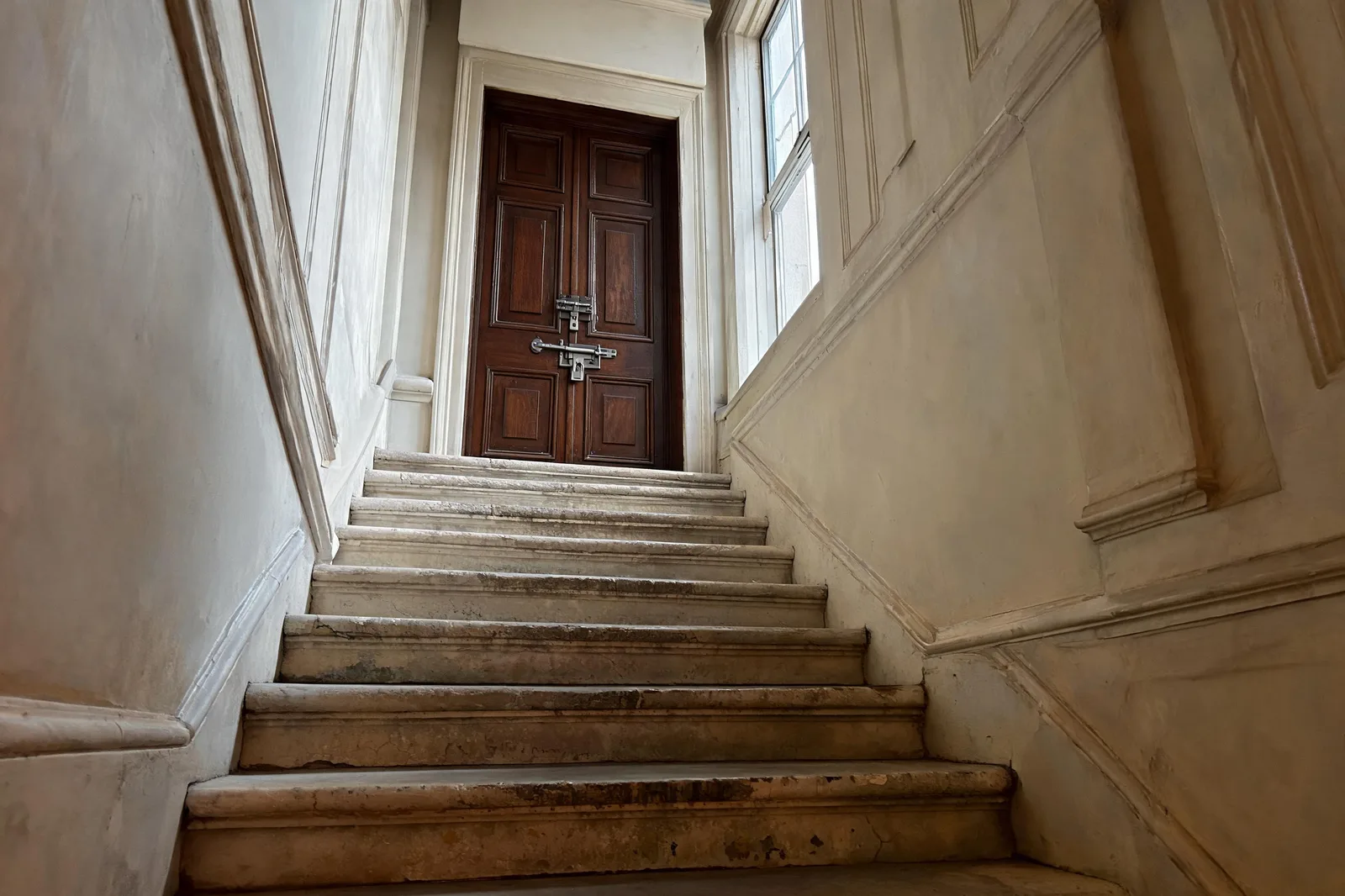
A locked door at 36 Blythe Road
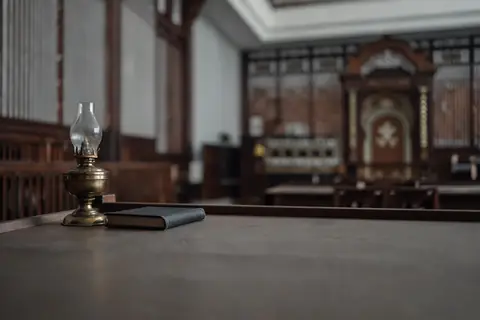
The battle of Blythe Road sounds like it should involve soldiers and a field. It involved a locksmith, a disputed temple room in a quiet corner of west London, and a young Aleister Crowley showing up in Highland dress with a black mask over his face. In the spring of 1900, the Hermetic Order of the Golden Dawn's London temple had fractured over the authority of its absent leader, Samuel Liddell MacGregor Mathers, then based in Paris, and the fight came to a head over who actually controlled the physical vault room where the order kept its ritual equipment and regalia at the Blythe Road address.
A leader in Paris, a rebellion in London
By this point Mathers's standing with the London membership, including figures who would later matter to Mathers, Westcott and Woodman: Who Built the Golden Dawn Tarot, had badly deteriorated, partly over his handling of the order's inner teachings and partly over simple personal friction with senior London members such as W. B. Yeats. The London lodge effectively voted to stop recognising his authority, a rebellion Mathers was not inclined to accept quietly from across the Channel. Needing someone on the ground in London willing to act on his behalf, he turned to Crowley, then a recent and still controversial initiate, and deputised him to reclaim the vault room and its contents in Mathers's name.
Tartan, a mask, and a very confused caretaker
What happened next is the detail that makes this anecdote irresistible rather than merely a dry governance dispute. Crowley arrived at the Blythe Road premises dressed in Highland regalia, including a kilt and a black ceremonial mask, by most accounts intending the costume as a piece of ritual authority rather than a simple disguise. The London members, tipped off and unimpressed, had already changed the locks and arranged for the premises to be secured against exactly this kind of attempt. Tradition holds that a confrontation followed on the stairs and landing of the building, undignified rather than dangerous, and that police were eventually summoned to sort out what was, at bottom, a property dispute between people in elaborate ceremonial clothing.
A real legal dispute hiding under the costume
It is worth being precise about what actually mattered here, because the comic image of a kilted Crowley can crowd out the genuine stakes. The vault room held ritual tools, documents and regalia the London lodge considered its own working property, regardless of Mathers's formal seniority in the order's structure. The confrontation functioned as an early test of a question many organisations eventually face, whether a founder's original authority survives a membership's loss of confidence in him, and the London members answered that question with locksmiths rather than a vote. The episode effectively marked the practical end of Mathers's control over the London temple, even though the wider order's name and teachings carried on in various reorganised forms for years afterward.
Why Crowley's role still raises eyebrows
Crowley's willingness to act as Mathers's enforcer in this dispute sits oddly next to his later reputation as the man who would eventually break from the Golden Dawn tradition entirely and build his own system, the same lineage eventually explored by From the Golden Dawn to Waite and Crowley: Two Heirs, Two Decks. At Blythe Road he was still, by his own account, a loyal and somewhat theatrical agent of the old guard, not yet the independent figure who would later put his stamp on The Fool and the rest of a reworked tarot tradition. The costume, the mask, and the confrontation on the stairs read, in hindsight, like an early rehearsal for the dramatic self-presentation he would keep refining for the rest of his public life.
The aftermath nobody dressed up for
The weeks after the standoff were considerably less theatrical than the confrontation itself, mostly letters, legal threats and accusations traded between London and Paris rather than any further costumed showdown. Mathers never regained practical control of the Blythe Road temple, and several senior London members went on to found their own successor groups rather than continue operating under his nominal leadership, a pattern of fragmentation that shaped British occultism for years afterward. Crowley's loyalty to Mathers during the episode did not last much longer either; within a couple of years he had drifted toward his own independent path, eventually producing the magical and literary work that made him a far more famous figure than the vault dispute itself ever did.
What the anecdote leaves behind
The battle of Blythe Road rarely gets more than a paragraph in serious histories of the Golden Dawn, overshadowed by the order's later splits and the more famous careers that followed, yet it is one of the few moments where the organisation's internal politics produced a scene genuinely funny enough to retell on its own merits. A disputed vault, a change of locks, a kilted and masked would-be enforcer on the landing, and police called to referee an argument between ceremonial magicians: it is exactly the kind of story that reminds readers these were real people with real tempers, not simply authors of symbolic systems read calmly from a book today.
For the fuller account of the order's internal politics around this period, see the Hermetic Order of the Golden Dawn Wikipedia entry, which covers the 1900 split in more detail.
Questions
What was the Battle of Blythe Road?
A 1900 confrontation at the Golden Dawn's London temple address, where Aleister Crowley, acting for the exiled leader Mathers, tried to seize a vault room the London members had already locked against him.
Did Crowley really wear Highland dress and a mask?
By most accounts, yes. Crowley arrived in Highland regalia including a kilt and a black ceremonial mask, intending it as ritual authority rather than disguise.
Who won the dispute at Blythe Road?
The London members retained control of the premises and effectively ended Mathers's practical authority over the London temple, even though the wider order continued in reorganised forms.
Was the Golden Dawn split only about this one incident?
No. The vault confrontation was the dramatic flashpoint of a longer breakdown in trust between Mathers and the London membership, not the sole cause of the order's wider fracturing.
This article talks about
You might also like
 Tarot Journal
 Tarot Journal
 Tarot Journal
© 2026 TAROTS chat (tarots.chat). All rights reserved. No part of this article may be reproduced, distributed or adapted without the owner's written permission.
The Journal
 Symbolism
 Thoth Tarot
 Relationships
 Disks
 Kabbalah
 Learn Tarot
 Symbolism
 Symbolism
 Kabbalah