Jealousy in a Tarot Reading: Reading It Without Feeding It
by Redazione · 9 October 2026 · 5 min read
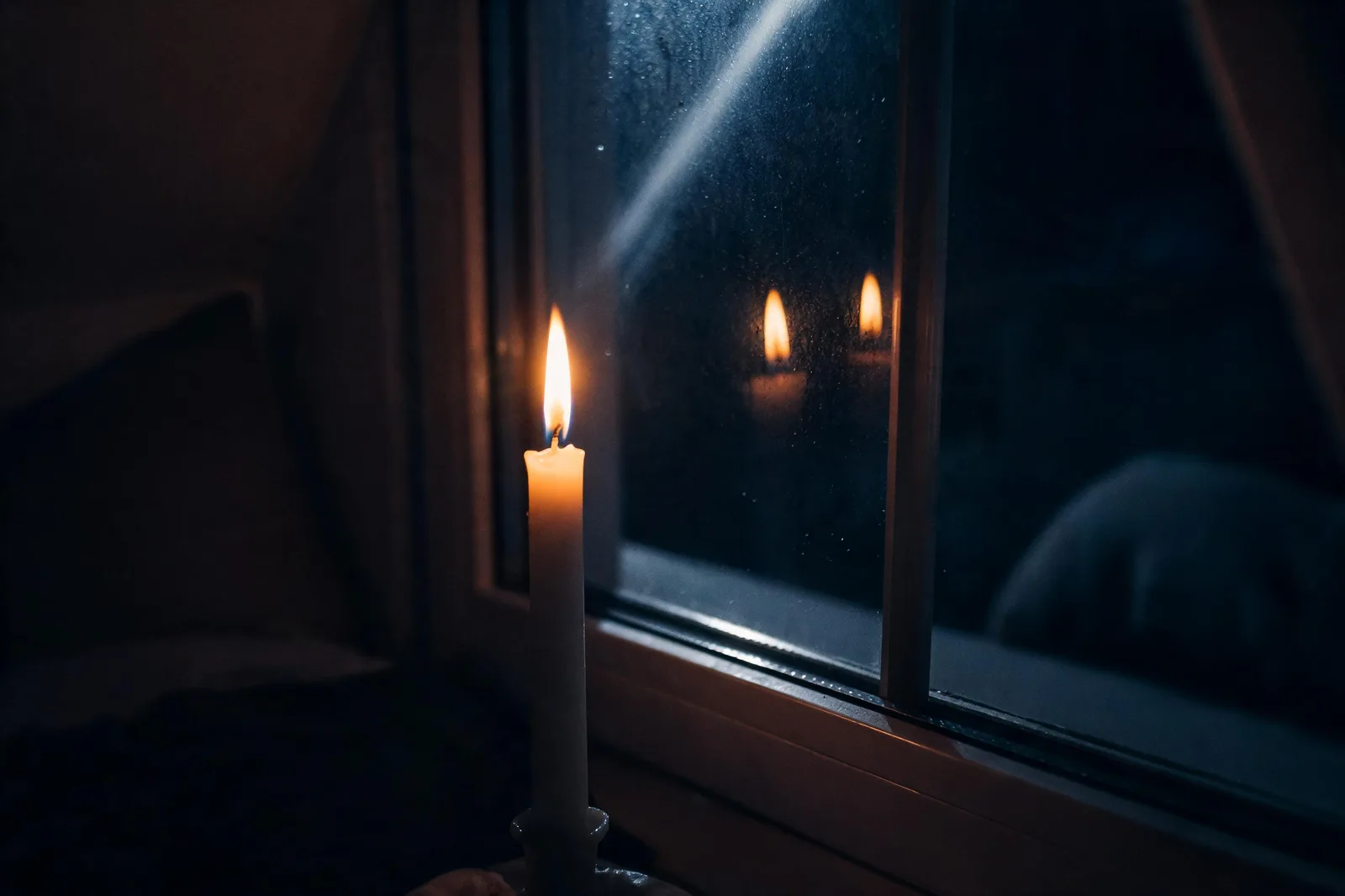
A jealousy tarot reading has one honest job: to show what fear is doing to a mind, not to confirm or deny what another person is doing. Jealousy rarely announces itself cleanly in a spread. It shows up as a tangle — a card of suspicion next to a card of longing, a court card that could be a rival or could be a projection, a Sword card that cuts the querent before it cuts anyone else. Reading it well means separating the feeling from the facts the cards cannot give.
Where jealousy actually lives in the deck
Few cards picture jealousy directly, and that is useful information in itself: the emotion is mostly visible in its effects. Nine of Swords — Cruelty, Cruelty, is the clearest marker — Crowley's title points to self-inflicted suffering, the mind turning on itself in the dark, which is jealousy's engine more often than any outside betrayal. The Moon marks the fog jealousy creates: shapes half-seen, a story built from shadow rather than evidence. The Seven of Swords — Futility, Futility, can show a mind spending energy on a battle that was never worth fighting, which is exactly what obsessive jealousy does to attention and sleep.
None of these cards name a rival or confirm a betrayal. They describe a state: a mind under siege by its own worst story. Jealousy has long been studied as a response to perceived threat rather than proof of one, and that distinction is the whole craft of reading it responsibly in a spread.
The reading a querent actually wants — and the one they need
Someone asking about jealousy is often really asking "is my fear justified?" That question cannot be answered by any spread, because it asks the cards to report on another person's private conduct — something no card claims to see with certainty, and something this reading never promises. What a careful reader can offer instead: a description of what the fear is doing right now, how the energy in the relationship is actually moving, and what a clear-headed decision might ask for next.
A simple three-card layout works well here: one card for the fear itself, one for what is actually happening in the connection, and one for what steadies the querent regardless of the answer to either. This resists the pull toward a yes/no verdict and keeps the reading inside what the cards can honestly do.
Reading the fear card without amplifying it
When the "fear" position turns up something sharp — Nine of Swords — Cruelty or a reversed court card — the instinct is to treat it as proof the fear is correct. Resist that instinct. A card describing anxiety describes anxiety; it does not promise the anxiety is accurate. Say plainly: "this shows a mind working itself into distress," not "this shows betrayal." The querent deserves the truth of the symbol, not a story built on top of it.
The earlier piece in this series, The Two of Cups in Thoth: Love as Exchange, treats love as an exchange that either flows or stalls. Jealousy often arises exactly where that exchange feels uncertain — when a querent cannot tell whether warmth is still moving both ways. Reading the exchange card beside the fear card, rather than either alone, keeps the picture honest: uncertainty about reciprocity is not the same as proof of wrongdoing.
What the relationship card can and cannot tell you
The second position — what is actually happening in the connection — deserves the same caution. A warm card here (the Two of Cups, the Lovers, a gentle court card) does not prove the fear was baseless; a difficult card does not prove it was right. Both describe a layer of the relationship's current energy, filtered through whatever the querent brings to the table that day. A reader who turns either outcome into a verdict about another person's fidelity has stepped past what any tarot reading can ethically claim.
Tradition holds that cards describe patterns and energies, not surveillance. No spread confirms an affair, a lie, or a secret the querent fears discovering. Say so directly when the question edges toward that ground, and redirect the reading toward what is actually visible: the querent's own state, and the general shape of the exchange.
Steadying the person, not just naming the feeling
The third position — what steadies the querent regardless of outcome — is often the most useful card in the whole reading, and the one most readers skip. A card like The Hierophant, naming a steady structure or a trusted conversation, or a grounded Disks card, offers something practical: a next right step that does not depend on resolving the uncertainty first. Jealousy thrives on waiting for certainty that may never come; a reading that hands the querent one small, doable action breaks that waiting pattern better than any reassurance can.
Close the reading by naming the choice plainly: the querent can speak their fear aloud to the person involved, set a boundary for their own peace, or simply notice the fear without acting on it yet. All three are valid. None of them is the cards' decision to make.
FAQ
Can a tarot reading tell me if my partner is cheating? No. A reading can describe anxiety, distance, or a stalled exchange of warmth, but it cannot witness another person's private conduct. Treat any claim otherwise with real suspicion.
Which card most often signals jealousy? The Nine of Swords, Cruelty, is the clearest marker of a mind in self-inflicted distress; the Moon often shows the fog of half-evidence jealousy runs on.
Is it wrong to ask the tarot about jealousy? No. Naming the fear through a reading can help separate feeling from fact, as long as the reading stays honest about what it can and cannot see.
What should I do after a jealousy reading? Take the steadying card's suggestion as a next step, and decide on your own terms whether to speak with the person involved — that choice belongs to you, not the cards.
Questions
Can a tarot reading tell me if my partner is cheating?
No. A reading can describe anxiety, distance, or a stalled exchange of warmth, but it cannot witness another person's private conduct.
Which card most often signals jealousy?
The Nine of Swords, Cruelty, is the clearest marker of a mind in self-inflicted distress; the Moon often shows the fog of half-evidence jealousy runs on.
Is it wrong to ask the tarot about jealousy?
No. Naming the fear through a reading can help separate feeling from fact, as long as the reading stays honest about what it can and cannot see.
What should I do after a jealousy reading?
Take the steadying card's suggestion as a next step, and decide on your own terms whether to speak with the person involved.
This article talks about
You might also like
 Love
 Love
 Love
© 2026 TAROTS chat (tarots.chat). All rights reserved. No part of this article may be reproduced, distributed or adapted without the owner's written permission.
The Journal
 Love
 Thoth Tarot
 Symbolism
 Swords
 Wands
 Thoth Tarot
 Symbolism
 Symbolism
 Kabbalah